
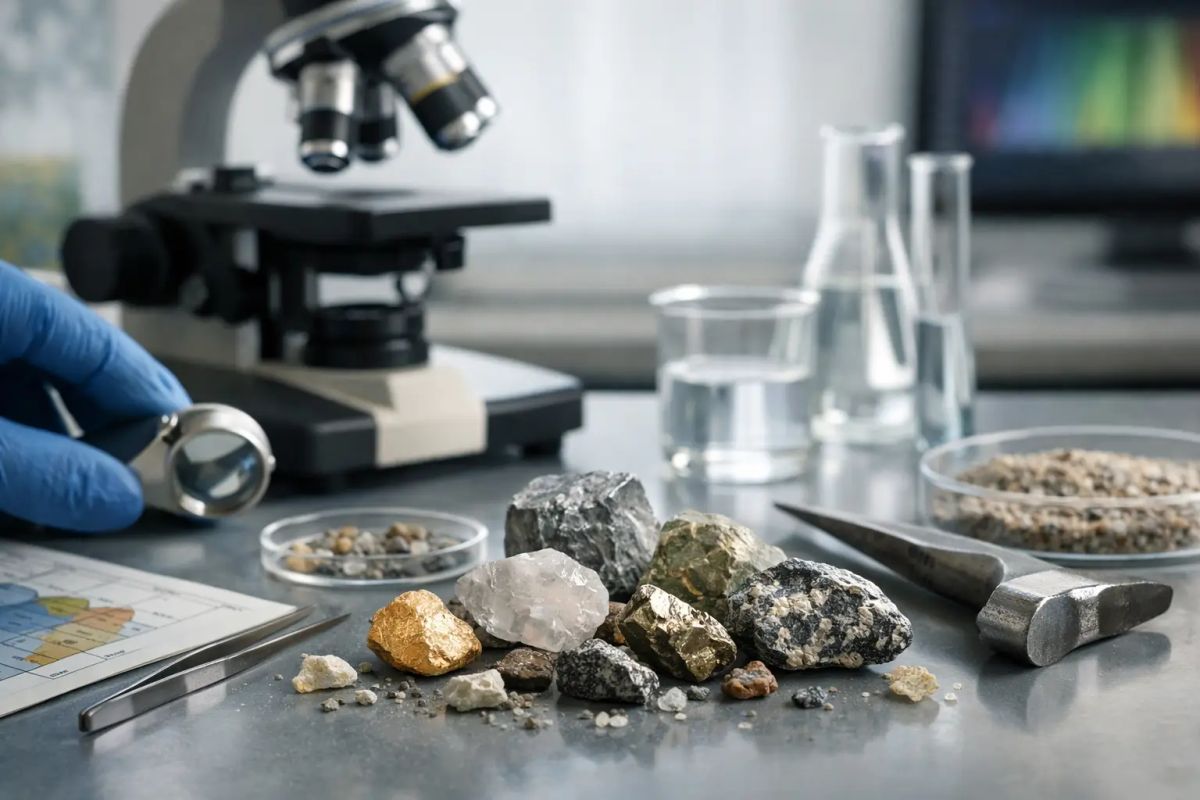
A bottle of water can look pristine and still tell you almost nothing. The label may suggest purity, wellness, even prestige. But mineral composition analysis is what turns that bottle from a blank promise into something knowable - something you can assess for taste, performance, and daily health fit.
For anyone who cares about what they drink, this is where water becomes far more interesting. There is a world inside every bottle. Calcium can shape texture. Magnesium can bring a gentle bitterness and a sense of vitality. Sodium can soften perception or make a water feel rounder on the palate. Bicarbonate can influence smoothness and how a water pairs with food. Once you begin to read water through its mineral profile, you stop choosing blindly.
What mineral composition analysis actually tells you
At its core, mineral composition analysis measures the dissolved elements and compounds in water. In bottled water, that usually means looking closely at calcium, magnesium, sodium, potassium, bicarbonate, sulfate, chloride, silica, and total dissolved solids, often alongside pH. These numbers are not decorative. They explain how a water tastes, how it feels in the mouth, and whether it suits a specific routine or occasion.
A low-mineral water can feel light, crisp, and almost invisible on the palate. A higher-mineral water may feel structured, creamy, savory, or more persistent. Neither is automatically better. It depends on context. A marathon runner, a fine dining professional, and someone simply trying to reduce sodium intake may all make different choices from the same shelf.
This is the quiet sophistication of water. The data is technical, but the effect is sensory and practical.
Why mineral composition analysis matters for health-conscious drinkers
Most people think about water in broad categories: sparkling or still, alkaline or not, premium or everyday. Useful distinctions, but incomplete. Mineral composition analysis gives you a more precise view.
If you are focused on wellness, the mineral profile can help you compare waters beyond marketing language. Some waters are naturally rich in calcium and magnesium, which may appeal to people who want more mineral intake from what they drink. Others are very low in sodium, which matters for those monitoring intake carefully. Some are highly mineralized and better suited to moments of recovery or culinary pairing than all-day casual sipping.
The nuance matters here. Water is not a supplement in the strict sense, and it should not be treated as a cure-all. But minerals in water are part of what you consume, and for detail-oriented drinkers, that information belongs in the decision.
Athletes and biohackers tend to understand this instinctively. They do not just ask, “Am I hydrated?” They ask, “What is in the water I am using to hydrate?” That is a better question. It reflects the difference between quantity and quality.
Taste begins with minerals
One of the most overlooked reasons to care about mineral composition analysis is pleasure. Water has taste. Not in the vague way people sometimes mean when they say one brand is “better,” but in the precise sensory way that coffee, tea, or wine has taste.
Calcium often adds firmness and can create a chalky or structured impression depending on level. Magnesium can contribute depth, slight bitterness, and complexity. Bicarbonate tends to soften acidity and can create a smoother, broader mouthfeel. Sulfates may sharpen the finish. Silica can make water feel silkier. Carbonation, when present, changes the whole experience again.
This is why one water can flatter a fresh oyster while another works better with a rich cheese course. It is also why a water that feels glorious after a workout might feel too intense at a quiet desk. Mineral balance shapes character.
For fine dining professionals, this is not trivia. It is service. The right water can support a dish without flattening it. The wrong one can interfere. Mineral composition analysis turns pairing into an informed choice rather than a guess.
Reading the label is useful, but not always enough
Many bottled waters publish at least some mineral information, but the experience of interpreting it is often less elegant than it should be. Numbers appear in small type. Units can blur together. One label highlights pH while another emphasizes source origin. A third says almost nothing beyond purity claims.
This is where comparison becomes difficult. A water with a high pH might sound appealing, but pH alone tells only part of the story. Total dissolved solids can indicate mineral presence, but TDS does not tell you which minerals are creating that number. Two waters can have similar TDS and taste entirely different because their compositions are different.
That is the central weakness of simplified water marketing. It reduces a multidimensional product to one headline metric. Mineral composition analysis restores the full picture.
Mineral composition analysis for bottled water selection
When you compare bottled waters through their mineral content, a clearer buying logic emerges. You start to match water to purpose.
For everyday drinking, many people prefer a balanced profile - enough minerals to give character, not so much that the water feels heavy or overly saline. For exercise or recovery, some drinkers gravitate toward waters with more pronounced mineralization, especially when they want a stronger sensory sense of replenishment. For meals, the ideal choice may depend on cuisine, fat content, salinity, and whether the water is still or sparkling.
This is also where source matters. Water from deep aquifers, volcanic regions, limestone formations, or glacial environments can carry different mineral signatures. Terroir is not reserved for wine. In water, geology is flavor.
The best choice, then, is rarely universal. It depends on your body, your palate, and the moment.
How digital tools make analysis usable
For most consumers, laboratory language can feel distant. They may want to understand calcium, magnesium, sodium, pH, and TDS, but not in a way that requires a chemistry refresher. Good technology closes that gap.
A well-designed water intelligence platform can translate mineral composition analysis into immediate meaning: what is in the bottle, how those minerals affect taste, whether the profile suits your preferences, and what kind of experience to expect. Point. Shoot. Know.
That matters because speed changes behavior. When analysis is easy to access, people actually use it while shopping, dining, training, or traveling. They compare waters in real time. They begin to notice patterns in what they enjoy. They move from passive consumption to informed selection.
Water Sommelier does this beautifully by turning a bottle scan into a readable portrait of the water inside, including mineral composition, pH, TDS, source origin, taste profile, and compatibility cues. The effect is immediate and surprisingly elegant. Technical data becomes usable taste intelligence.
What to pay attention to first
If you are new to mineral composition analysis, start with balance rather than chasing a single number. Look at calcium and magnesium for structure and nutritional interest. Look at sodium if intake is a concern or if you are sensitive to a savory finish. Look at bicarbonate for softness and pairing potential. Use TDS as a broad intensity marker, then go deeper into the individual minerals that create it.
After that, pay attention to your own response. Does the water feel refreshing or weighty? Clean or creamy? Quiet or expressive? Do you prefer it on its own, with food, or after exertion? The best analysis combines measurable facts with lived experience.
That is where water becomes more than hydration. It becomes discernment.
The real value of knowing what you drink
We have become highly literate in coffee origins, wine varietals, and ingredient lists. Water deserves the same respect. Not because every bottle needs ceremony, but because transparency changes the quality of choice.
Mineral composition analysis gives water a vocabulary. It lets you understand why one bottle feels effortless and another feels dense, why one suits a tasting menu and another belongs in a gym bag, why source and geology are not branding details but part of the liquid itself.
Once you see water this way, you do not really go back to choosing by label design or price alone. You begin to choose with intention. And that small shift has a way of refining everything around it - your palate, your routine, and the standard you bring to the simplest glass on the table.
Scan any bottle. Discover its minerals, origin, and character. Get the Water Sommelier app.