
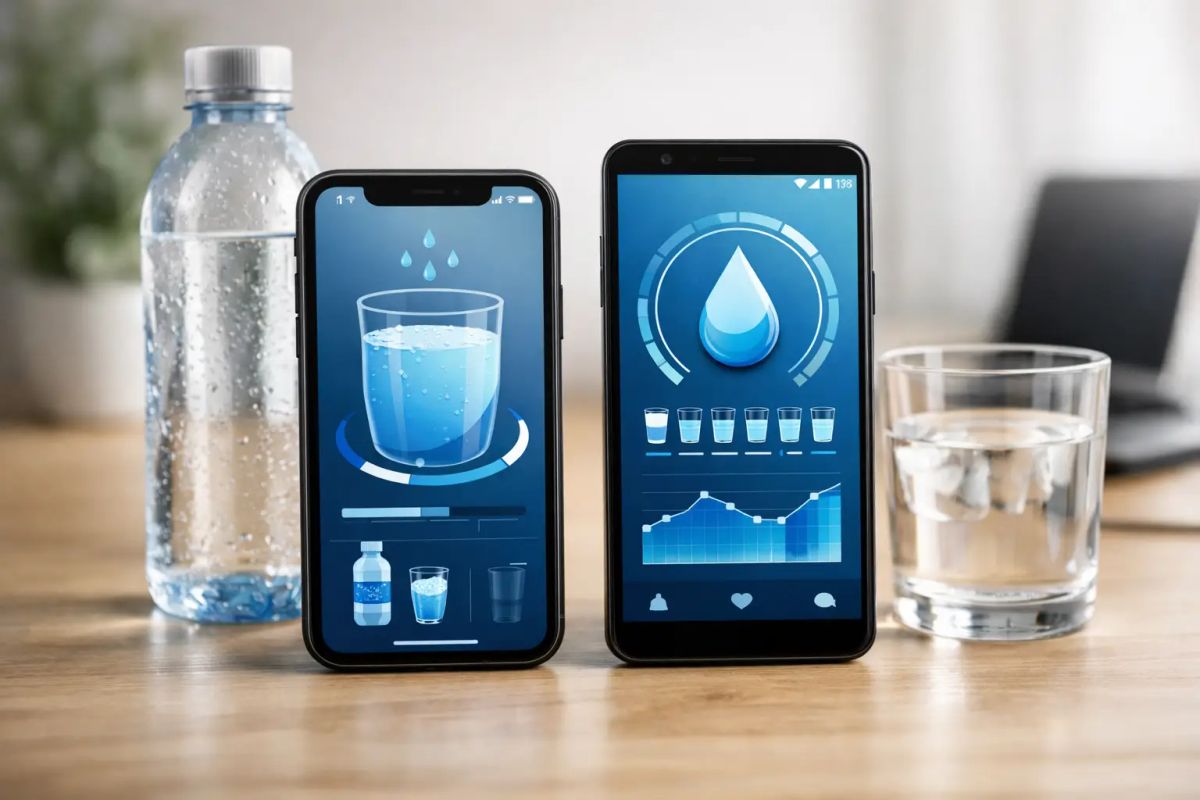
Most water apps tell you one thing: drink more water. That is useful, but it barely scratches the surface of what serious consumers actually want to know. If you are searching for the best water app iPhone Android users can rely on, the real question is not how many ounces you logged today. It is what is in the bottle, where it came from, how it tastes, and whether its mineral profile fits your health goals.
For anyone who reads labels, compares brands, tracks wellness inputs, or cares about the difference between soft and mineral-rich water, the category has outgrown the basic hydration reminder. Water has composition. Character. Purpose. There is a world inside every bottle, and the best app should reveal it instantly.
What people usually mean by the best water app iPhone Android
Search behavior around water apps tends to collapse very different needs into one phrase. Some users want reminders to drink more throughout the day. Others want a water quality scanner app, a mineral water guide, or a way to understand pH, TDS, sodium, magnesium, and calcium before they buy. Those are not the same jobs.
A hydration tracker is built around habit formation. It answers, did you drink enough? A water intelligence platform answers a much richer set of questions: what are you drinking, how mineralized is it, how does it compare to other waters, and which bottle best suits your lifestyle, meal, or performance target?
That distinction matters. If you are an athlete dialing in sodium intake, a wellness consumer avoiding certain mineral profiles, or a hospitality professional curating pairings, generic reminders are not enough. You need interpretation, not just notification.
Why basic hydration apps fall short
Most traditional water apps are designed like step counters. Clean interface, progress rings, reminders, maybe a streak feature. They can be helpful for building consistency, especially for beginners who simply forget to drink water during the day.
But once your standards rise, those tools start to feel thin. They rarely tell you the mineral composition of bottled water. They do not explain source origin or flavor profile. They do not help you compare low-sodium waters with highly mineralized ones. And they almost never treat water as a category worthy of expertise.
That creates a gap in the market. Consumers have become more sophisticated about coffee, wine, supplements, and ingredients. Water should not be the exception. In many cases, it is the most frequently consumed product in your life, yet the average app reduces it to a checkbox.
What the best water app should actually do
A serious water app should begin with identification. You should be able to point your phone at a bottle and quickly understand what makes that water distinct. That means scanning, recognition, and access to a meaningful database, not just a manually entered drink log.
From there, the app should translate technical data into decisions. Mineral composition matters, but raw numbers alone are not enough for most users. The best experience explains whether a water is high in calcium, light in sodium, rich in magnesium, or balanced in a way that suits everyday drinking. It turns chemistry into clarity.
It should also respect the sensorial side of water. Taste is not marketing fluff. Mouthfeel, minerality, softness, and finish are part of why one water feels brisk and another feels round or velvety. For fine dining and premium lifestyle users, that is not extra information. It is essential.
Finally, the best app should support comparison. One bottle of water tells you something. A curated view across many brands tells you far more. That is where patterns emerge and better choices become easier.
Features that separate a premium water app from a basic one
The strongest apps in this category do more than count glasses. They provide instant access to bottle-specific intelligence. That includes pH level, TDS, source origin, and the key minerals that shape both wellness compatibility and taste.
The scanner matters because speed matters. In a store aisle, at a restaurant, in a gym bag, or before service, you want immediate insight. Point. Shoot. Know. If the experience requires too much manual research, most people will not use it consistently.
A personal tasting journal is another overlooked differentiator. For consumers who care about what they drink, memory is imperfect. You may remember liking a bottle, but not why. A journal turns preferences into a record. Over time, that can reveal whether you consistently prefer higher bicarbonate waters, lower TDS profiles, or a certain regional style.
Recommendations also matter, especially when they are grounded in data rather than popularity. If an app can suggest waters based on mineral balance, sensory character, or pairing context, it becomes less like a tracker and more like a sommelier in your pocket.
The strongest use cases are not just hydration
Hydration remains part of the story, but it is no longer the whole story. For health-conscious users, water selection can support broader nutritional and lifestyle choices. Someone monitoring sodium may want a different bottled water than someone prioritizing magnesium intake. Someone seeking a clean, neutral table water may not want the same bottle chosen for a bold meal pairing.
Athletes and biohackers often care about precision. They are already looking at sleep, recovery, electrolytes, and biometrics. For them, understanding the makeup of water fits naturally into a larger performance system. A generic reminder app feels too blunt for that audience.
Hospitality professionals have another layer of need. In a premium restaurant environment, water is part of the guest experience. Origin, mineral structure, and flavor profile can influence pairing decisions just as surely as glassware and service temperature. An app that treats water with that level of respect is operating in a different class.
What to look for on iPhone and Android
The platform matters less than the quality of the database and the intelligence behind the interface. iPhone users may prioritize polished design and quick camera performance. Android users often expect flexibility and broad device compatibility. Both groups want the same core outcome: accurate, fast, useful information.
If you are comparing options, pay attention to whether the app is actually built for bottled water analysis or whether water quality is just an afterthought. Many apps in this space were never designed to explain terroir, mineral balance, or sensory traits. They were designed to nag you into drinking another glass.
That is fine for a certain audience. It is not enough for a discerning one.
Where Water Sommelier stands apart
Among the available options, Water Sommelier stands out because it approaches water as a premium category rather than a generic wellness task. The app scans bottled water and reveals mineral composition, pH, TDS, source origin, tasting profile, health compatibility, and food pairing recommendations in one place. It does not ask you to guess. It shows you what is in the bottle and why it matters.
That makes it especially compelling for users who want more than reminders. It serves the person comparing calcium and magnesium levels, the diner interested in pairings, the athlete evaluating composition, and the curious buyer standing in front of a shelf of unfamiliar labels.
Just as important, it makes technical information feel immediate and approachable. The best premium products do not simplify by stripping away substance. They simplify by presenting substance beautifully.
A final way to judge the best water app
The simplest test is this: after opening the app, do you know more about your water than you did thirty seconds earlier, and can you act on that knowledge with confidence?
If the answer is only that you should drink another eight ounces, you are using a reminder tool. If the answer includes mineral balance, source, taste, compatibility, and smarter selection, you are using something far more valuable. For modern consumers who care deeply about quality, transparency, and experience, that is what the best water app should deliver.
Scan any bottle. Discover its minerals, origin, and character. Get the Water Sommelier app