
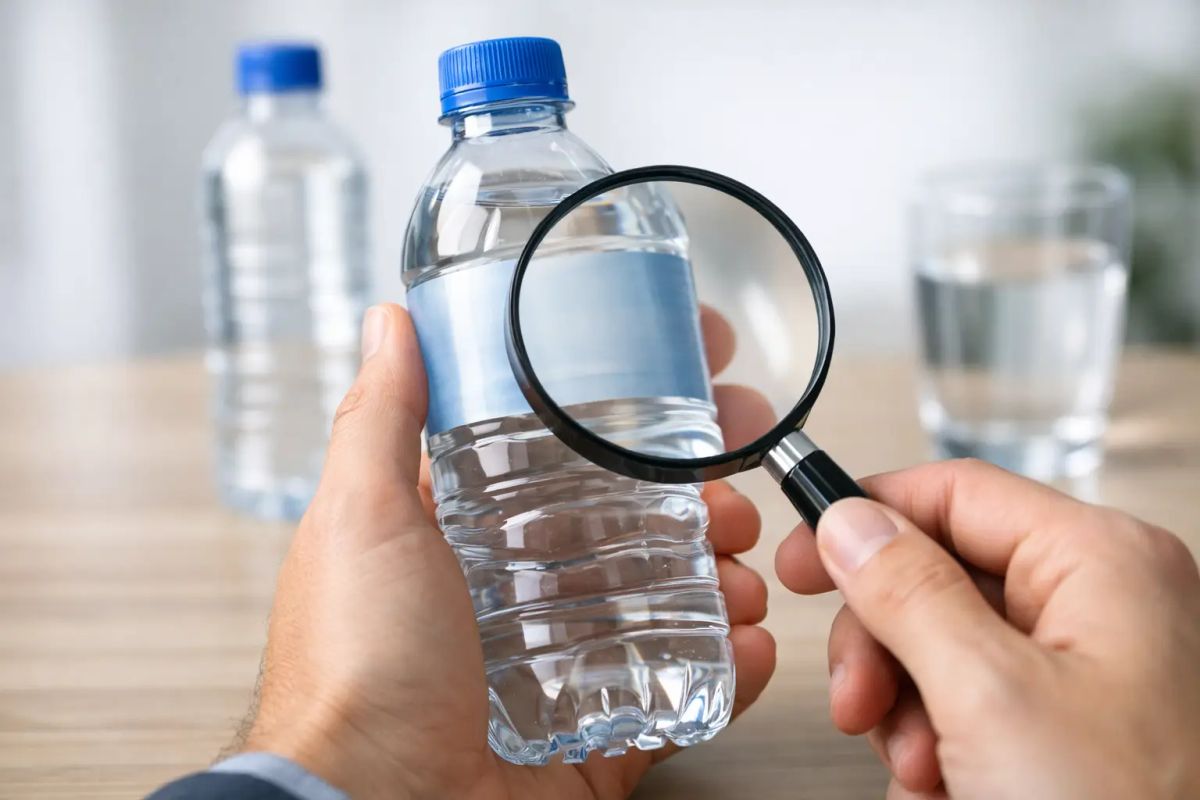
You pick up a bottle that looks pristine, premium, even vaguely scientific. The typography is elegant. The mountains on the label suggest purity. Then you turn it over and find a wall of tiny numbers, unfamiliar terms, and half-explained claims. Knowing how to read bottled water labels changes that moment completely. What looks like packaging starts to read like a profile - source, structure, mineral balance, and taste.
For anyone who chooses water with intention, the label is not filler. It is the closest thing bottled water has to a tasting sheet. And once you know what to look for, you can tell the difference between a water that is light and crisp, one that feels round and silky, and one that lands with a distinct mineral grip.
How to read bottled water labels without getting lost
Start with the front label, but do not stop there. The front is usually where brands place the broad identity markers: natural spring water, artesian water, mineral water, purified water, sparkling water. These terms matter, but they are only the opening note.
The back or side label is where the real information lives. This is where you may find the source, mineral analysis, pH, TDS, bottling location, and sometimes a more detailed breakdown of ions such as calcium, magnesium, sodium, bicarbonate, sulfate, and silica. Some bottles are generous with detail. Others are surprisingly vague. That difference tells you something too.
If a label offers a full mineral composition, it is inviting scrutiny. If it leans only on lifestyle language like pure, clean, or premium, you are being asked to trust the brand more than the data.
Start with the water type
Not all bottled water begins the same way, and the category on the label shapes everything that follows.
Spring water comes from an underground formation and flows naturally to the surface or is collected at the spring source. Artesian water also comes from an underground aquifer, but under pressure. Mineral water generally implies that the water contains naturally occurring minerals and that its composition is relatively stable at the source. Purified water has been treated to remove solids and impurities, often resulting in a cleaner but less distinctive mineral profile.
This is not a hierarchy. It is a style difference. A low-mineral purified water may feel neutral and easygoing. A naturally mineral-rich spring water may taste more expressive and have a stronger finish. Which is better depends on what you value - delicacy, character, consistency, or pairing potential.
Read the source like you would read origin on wine or coffee
The source is one of the most revealing parts of the label. It tells you where the water begins, and often hints at why it tastes the way it does.
A named spring, a protected aquifer, a volcanic region, or a limestone formation all suggest different mineral journeys. Water that has moved slowly through rock absorbs elements from that geology over time. That is terroir in liquid form. There is a world inside every bottle, and source is where that world starts to become legible.
Look for specificity. A label that names the spring or aquifer is giving you more than one that simply says bottled at source. If it includes a geographic region, that can add context. If it provides almost no source information, the bottle may be positioned more around branding than provenance.
The mineral panel is where personality appears
If you want to understand taste, texture, and overall character, the mineral analysis matters most. These numbers are usually listed in milligrams per liter, sometimes abbreviated as mg/L.
Calcium often contributes structure and firmness. Magnesium can add a slight bitterness or edge, but in balance it brings liveliness. Sodium affects salinity and perceived softness. Bicarbonate tends to soften acidity and can make a water feel smoother or more rounded. Sulfate can sharpen the profile and create a drier finish. Silica is often associated with a silky mouthfeel.
No single mineral tells the whole story. A bottle with moderate calcium and magnesium may feel brisk and energetic. One with higher bicarbonate and silica may seem gentler, almost creamy. The pleasure is in the balance.
This is also where labels become uneven. Some list a full profile. Some include only a few minerals. Some report values from the source, while others note they may vary. Natural water is not a factory-perfect product, so slight seasonal variation is normal. What matters is whether the label gives you enough information to understand the style.
What TDS actually tells you
TDS stands for total dissolved solids. It is one of the most quoted numbers on bottled water, and one of the most misunderstood.
TDS gives you a broad sense of how much mineral content is dissolved in the water. Lower TDS waters usually taste lighter, cleaner, and less assertive. Higher TDS waters often taste fuller, more textured, and more mineral-forward. That does not mean higher is better. It means more presence.
A very low TDS water may be ideal when you want neutrality - perhaps with delicate food or as an easy all-day bottle. A high TDS water can be compelling at the table, especially with richer dishes, but may feel too intense for someone who prefers a softer profile.
Think of TDS as a clue about weight and intensity, not quality.
pH matters, but not in the way marketing suggests
Many bottled waters highlight pH because the number looks precise and persuasive. But pH on its own does not tell you whether a water will taste good to you.
pH measures how acidic or alkaline the water is. That can influence perception, but it works together with mineral content, carbonation, temperature, and overall balance. A water with a higher pH is not automatically more refined, more premium, or more suitable for every person.
In sensory terms, pH can affect how sharp or soft a water feels, but it is only one piece of the composition. If a brand emphasizes pH heavily while offering little mineral detail, you are seeing a partial story.
Sparkling labels have a few extra cues
With sparkling water, the label may tell you whether the carbonation is naturally occurring at the source or added later. Both can be excellent, but they often feel different in the glass.
Natural carbonation can come across as finer and more integrated. Added carbonation can be brighter and more immediate. Again, this is not about superiority. It is about style.
Also pay attention to sodium and bicarbonate in sparkling waters. They often shape the overall impression, especially if the water feels savory, structured, or particularly refreshing alongside food.
Watch for language that sounds impressive but says very little
Words like pure, pristine, premium, and natural can create atmosphere, but they are not the same as meaningful data. The most useful labels combine story with specifics. They tell you where the water comes from and what is in it.
That trade-off matters. A beautifully branded bottle may still be vague. A less glamorous bottle may quietly offer a full mineral profile and source transparency. If you care about what is in your glass, information should carry as much weight as aesthetics.
How to use the label to choose the right bottle
Once you know how to read bottled water labels, your decision becomes more precise.
If you want a clean, understated water, look for lower TDS and a modest mineral profile. If you enjoy a more gastronomic bottle with presence, look for a richer mineral composition and a higher TDS. If you are pairing water with food, think in terms of contrast and harmony. Lighter waters suit subtle dishes. More mineral waters can stand up to fattier, saltier, or more structured flavors.
And if you are comparing two bottles that seem similar, the source and mineral balance usually explain the difference better than the marketing copy ever will.
For people who want the process to feel less technical, tools can help. Water Sommelier, for example, translates bottled water labels into something easier to understand by showing mineral composition, pH, TDS, source, and tasting character in one view. The point is not to make water complicated. It is to make the label readable enough to choose with confidence.
A label is not just compliance - it is a quiet invitation
The best bottled water labels do more than satisfy regulations. They reveal identity. They show where the water comes from, how it has been shaped, and what kind of experience it is likely to offer.
Once you begin reading them this way, bottled water stops being a generic purchase. It becomes a matter of preference, context, and taste. Some days call for restraint. Some call for minerality and lift. The bottle already tells you more than most people realize - if you know how to listen.
Scan any bottle. Discover its minerals, origin, and character. Get the Water Sommelier app