
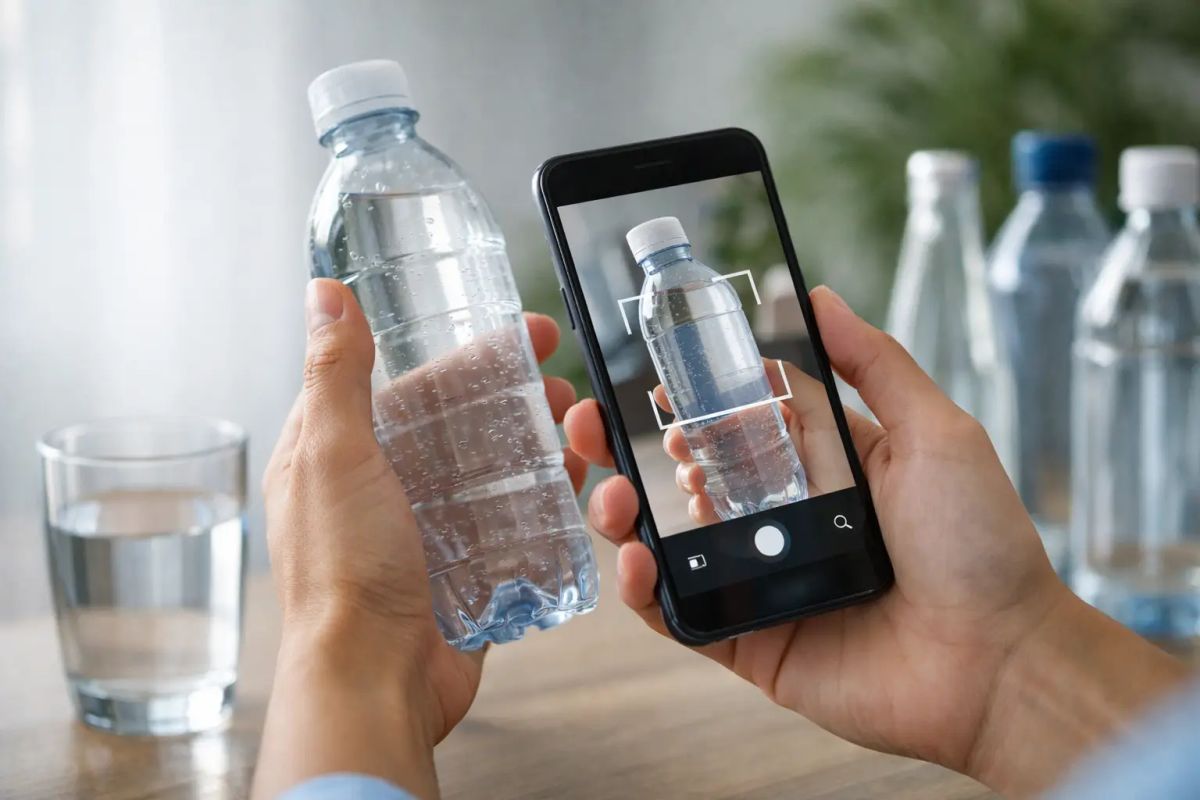
Most people can tell you what is in their protein powder, coffee beans, or supplements. Far fewer can tell you what is in their water. That is the gap this water sommelier app review scan water bottle experience is built to close. If you care about mineral content, pH, source, and how a water actually drinks, a scanner app only matters if it turns a bottle in your hand into something you can understand immediately.
That is the real promise here. Point. Shoot. Know. Not just whether a bottled water looks premium on the shelf, but whether it is high in calcium, low in sodium, naturally sparkling, performance-friendly, meal-friendly, or simply better suited to your taste.
What this app is actually reviewing
This is not a hydration reminder dressed up as a wellness tool. It is not a generic label scanner that spits back shallow nutrition facts. The value sits in interpretation.
When you scan a bottle, the app reveals the details serious drinkers actually want: mineral composition, pH level, TDS, source origin, health compatibility, tasting profile, and food pairing guidance. In practice, that means the bottle stops being a branding exercise and starts becoming a data-rich product with sensory meaning.
That difference matters. Two waters can both market themselves as pure and premium while offering completely different drinking experiences. One may be soft, neutral, and low-mineral. Another may be structured, saline, and loaded with bicarbonate, calcium, or magnesium. If you train hard, manage sodium, prioritize bone health, or simply prefer a crisp mineral finish, those differences are not trivial.
Water sommelier app review: scan water bottle and get context
The strongest part of the app is speed paired with context. Many apps can show numbers. Few can tell you what those numbers mean while you are standing in a grocery aisle, checking into a hotel, or selecting water for service.
Scan a bottle and you are not left staring at chemistry in isolation. You get a more complete profile of what you are about to drink. High TDS may suggest a fuller, more assertive mouthfeel. Elevated magnesium can be attractive for people focused on mineral intake. Lower sodium may matter to one user, while a chef or sommelier may be more interested in how mineral structure interacts with oysters, caviar, or delicate fish.
That broader framing is what elevates the experience. There is a world inside every bottle, but that world only becomes useful when it is translated clearly.
Who will get the most value from it
This app is best for people who already ask better questions about what they consume. Health-conscious consumers will appreciate the immediate visibility into pH, minerals, and source. Athletes and biohackers will naturally focus on mineral balance, recovery logic, and consistency. Fine dining professionals will recognize the relevance of terroir, structure, and pairing.
It also works for a less technical user, as long as that person is curious. You do not need to be a water expert to benefit from scanning labels. You only need to care enough to compare one bottle to another and want a smarter reason than price or packaging.
If you only want a daily reminder to drink eight glasses of water, this is probably more intelligence than you need. If you want to understand which bottled water belongs in your gym bag, on your dinner table, or in your tasting lineup, it starts to make much more sense.
What the scanning experience feels like
A review of any scanner app has to answer a simple question: does it remove friction, or add it?
Here, the scan concept is intuitive. You point your phone at the bottle and get immediate access to information that would otherwise require research, label interpretation, or brand familiarity. That alone makes it useful in real-world decision-making. The app is strongest in moments where speed matters - when you are buying on the go, comparing options in a retail setting, or selecting a bottle for a meal.
The quality of a scan-based experience, of course, depends on database depth and recognition accuracy. Premium bottled water is a broad category, and users will naturally expect meaningful coverage across international and domestic labels. That expectation is fair. A water intelligence platform earns trust by being both elegant and comprehensive.
Beyond pH: why the mineral data matters
Many consumers fixate on pH because it is familiar. But pH alone rarely tells the whole story of a water. The more valuable lens is the full mineral composition.
Calcium, magnesium, bicarbonate, sodium, and overall dissolved solids shape both taste and function. They influence perceived softness or firmness, freshness, salinity, and finish. They also matter for practical reasons. A water with higher mineral content may feel more satisfying to some drinkers and more suitable after exercise. A low-mineral water may be preferable when you want neutrality with food or when taste sensitivity matters.
This is where the app shows discipline. It treats water not as a blank liquid, but as a category with measurable character. That framing is overdue. Coffee drinkers talk origin and processing. Wine drinkers talk soil and structure. Water deserves the same seriousness, especially when the chemistry is right there in the bottle.
The tasting and pairing angle is more useful than it sounds
At first glance, food pairing recommendations for water can seem indulgent. In practice, they are surprisingly practical.
Different waters interact differently with food. A delicate, low-mineral still water may step back and let a refined dish speak clearly. A sparkling water with stronger minerality can cleanse the palate and reset the mouth between richer bites. For hospitality professionals, that is not a novelty. It is part of service. For home users, it is a fast education in how water changes the dining experience.
The tasting profile is equally important because it gives language to sensation. Crisp. Creamy. Saline. Chalky. Round. Dry. Once users start noticing these differences, bottled water shopping becomes far more intentional. You stop buying labels. You start choosing style.
Where this app stands out from generic water apps
Most water apps fall into one of two categories. They either track how much you drink, or they offer broad water quality education without helping you decide what to buy right now. This app occupies a rarer middle ground: real-time bottled water identification with expert interpretation.
That makes it more specialized than a hydration tracker and more actionable than a static educational resource. It is designed for a user who wants immediate product intelligence, not vague wellness advice.
That specialization is a strength, but it is also a filter. People looking for tap water testing hardware integration, municipal water reports, or lab-grade contamination analysis may need different tools. This is about understanding bottled water with precision and taste literacy. It knows its lane.
The luxury feel is not cosmetic
A lot of premium wellness products look elevated but explain very little. Here, the premium sensibility feels earned because it is attached to substance. The app presents water as a fine product category without becoming obscure or theatrical.
That balance is difficult to get right. Too technical, and users disengage. Too aspirational, and the product becomes decorative. The better approach is curation with clarity. Explain the source. Show the minerals. Translate the profile. Help the user choose.
That is what gives the experience its luxury hospitality quality. It treats the user with respect, assumes taste can be educated, and makes expertise feel immediate rather than intimidating.
Is it worth using?
If your standard for water is simply wet, no app will change your life. If your standard is informed choice, this one is unusually compelling.
The best reason to use it is not novelty. It is reduction of guesswork. You can compare bottles based on actual composition, understand why one tastes cleaner or fuller than another, and align your purchase with your goals - wellness, performance, dining, or sensory preference.
Water Sommelier earns attention because it recognizes something many brands ignore: bottled water is not a commodity once you understand it. It is a category defined by geology, balance, and experience.
A good scanner app should leave you smarter after every bottle. This one appears built for exactly that. And once you start reading water with the same care you give food, wine, or coffee, it becomes very hard to go back to buying blind.
Scan any bottle. Discover its minerals, origin, and character. Get the Water Sommelier app