
A water list at a restaurant can feel intuitive: still or sparkling, perhaps domestic or imported, then a choice made on instinct. But there is a world inside every bottle. When you scan a bottled water label, the goal is not to turn a simple pour into a chemistry exam. It is to notice the details that give a water its identity: where it began, what minerals it carries, and why it may taste crisp, soft, lively, or quietly complex.
The label is a useful starting point. A thoughtful scan makes it easier to move beyond marketing language and toward the particulars in the glass.
What a bottled water label can tell you
Bottled water labels vary widely. Some provide a detailed mineral analysis. Others offer only a source statement, a brand story, or a broad category such as spring water, mineral water, purified water, or sparkling water. The amount of information is not, by itself, a measure of quality. It simply determines how much you can learn before tasting.
Start with the source. A named spring, aquifer, mountain region, or protected source can offer context for the water's character. Water picks up minerals as it moves through rock and soil, so origin is more than a scenic detail. It is part of the composition.
Next, look for an analysis panel, often printed in small type on the side or back of the bottle. It may list mineral levels in milligrams per liter, shown as mg/L. That panel is the closest thing a bottle has to a tasting note from the producer.
A few labels also state pH and total dissolved solids, or TDS. Together with the mineral profile, these figures give a more complete picture. They should be read as descriptors, not as a scorecard. A low-mineral water can be elegant and restrained. A more mineral-rich water can be structured, savory, and expressive.
How to scan a bottled water label with purpose
Begin with the front label, then turn the bottle slowly. The front is designed to establish identity. The back and side panels tend to hold the useful specifics. If the bottle has condensation or glare, wipe it dry and angle it toward soft light before using a camera.
Read the water category first. Natural spring water generally comes from an underground source and is collected at the spring or through a borehole tapping the same formation. Mineral water is typically distinguished by its naturally occurring mineral character, though labeling language can differ by market. Purified water has undergone processes to remove impurities and may have minerals added afterward. Sparkling water may be naturally effervescent or carbonated before bottling.
These categories describe production and source context. They do not tell the entire sensory story. Two spring waters can taste entirely different, just as two coffees from neighboring regions can offer distinct cups.
Then find the mineral analysis. If it is present, focus on four names: calcium, magnesium, sodium, and bicarbonate. You may also see potassium, sulfate, chloride, silica, nitrate, or fluoride. The figures are usually precise, but their meaning becomes clearer when you read them together rather than isolating one number.
Calcium and magnesium: structure in the glass
Calcium and magnesium often contribute to a water's sense of texture and structure. In sensory terms, a water with more of these minerals may feel firmer or more substantial on the palate. A lower-mineral profile may feel lighter, cleaner, or more delicate.
Neither style is inherently better. The right choice depends on the moment. A subtle water can sit gracefully beside a fine tea, a fragile white fish, or a nuanced wine tasting. A water with more presence may hold its own alongside aged cheese, roasted vegetables, or richly seasoned food.
Sodium: a small number with a noticeable role
Sodium is one of the most closely watched figures on a label, but it is best understood in context with the rest of the profile. It can contribute a faintly savory impression and can change how a water lands at the finish. Some naturally sourced waters contain very little sodium; others have a more pronounced amount because of their geology.
The number is descriptive, not a shortcut to taste. Read it alongside bicarbonate, chloride, calcium, and magnesium, then let the glass have the final word.
Bicarbonate: softness, balance, and lift
Bicarbonate is frequently associated with waters that feel rounded, smooth, or gently alkaline in character. In a mineral-rich bottle, it can help create a plush, almost creamy impression. In sparkling water, it may work with carbonation to give the palate a lively but composed finish.
A label may use the term bicarbonate or list hydrogen carbonate. They refer to the same family of dissolved mineral content for practical label-reading purposes. What matters is not memorizing every technical term. It is recognizing that the profile is a composition, with elements working together.
pH and TDS: useful context, not a verdict
pH describes acidity or alkalinity on a scale. It is commonly displayed on bottled water labels and often used in marketing, but it does not capture the whole experience of a water. Two waters with a similar pH can taste very different because their mineral compositions differ.
TDS, short for total dissolved solids, measures the overall amount of dissolved mineral material in the water. A lower TDS often corresponds to a lighter, more neutral impression. A higher TDS often signals greater mineral presence and a more distinctive palate. But TDS does not identify which minerals are present, so it is a broad sketch rather than a complete portrait.
Think of pH and TDS as coordinates. They help orient you, while the mineral list and source reveal more of the terrain.
When the label leaves questions unanswered
Some bottles do not provide a complete analysis. That is common, and it does not mean the product lacks a story. The source statement, category, bottling location, carbonation level, and taste can still offer meaningful clues.
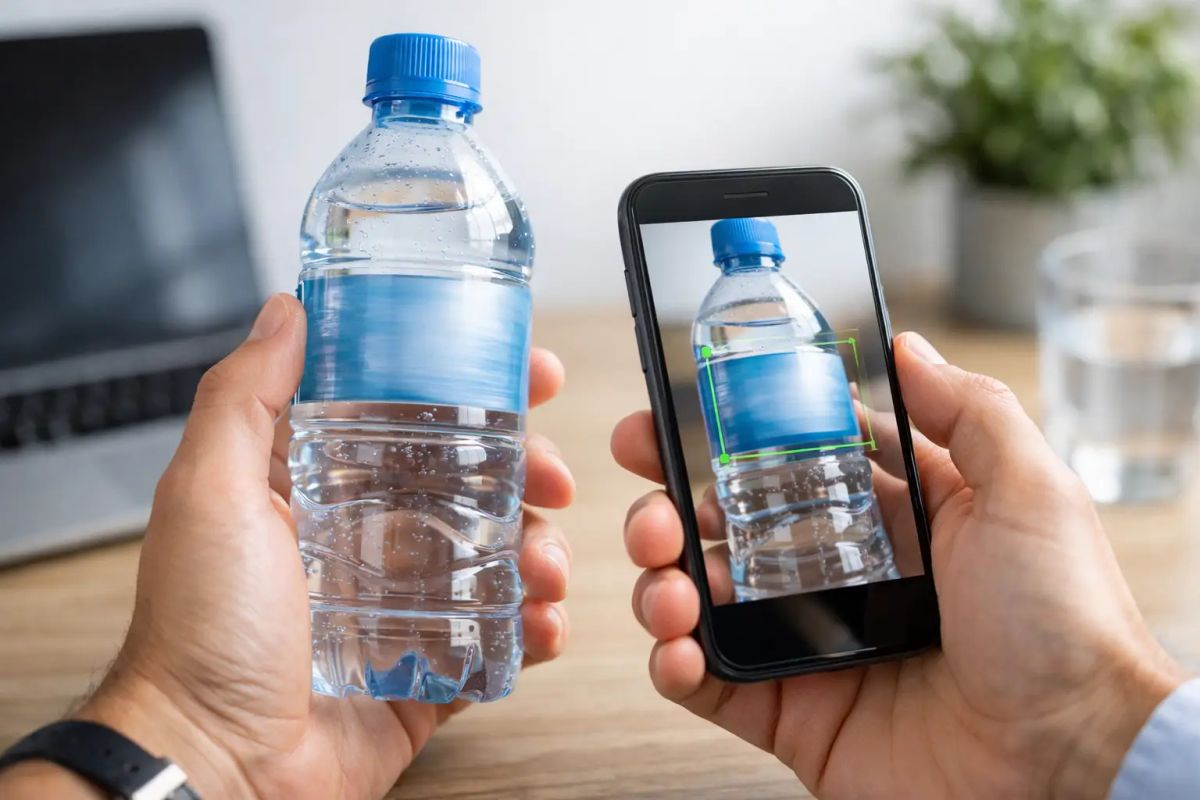
This is where a camera-based reference can make the ritual easier. Water Sommelier is designed for that moment: point your phone camera at a bottle to identify the product and explore available information about its mineral composition, pH, TDS, and source origin. It turns a small label into a clearer conversation about what is being poured.
Use the information to compare, not to chase a universal winner. Place two waters side by side. Notice whether one feels featherlight and quick, while another has more weight and persistence. Taste first at a cool, not icy, temperature, because extreme cold can mute subtle differences. If one is sparkling, pay attention to the size and intensity of its bubbles as well as its mineral finish.
A better question to ask at the shelf
Instead of asking which bottled water is best, ask what kind of experience you want. Are you looking for something nearly invisible alongside a meal, or a water with enough mineral personality to be part of the table? Is the appeal a pristine spring origin, a particular sparkling texture, or a profile that feels saline, chalky, soft, or bright?
Labels give you the vocabulary. Tasting gives those words meaning.
The next time a bottle catches your eye, pause before twisting the cap. Scan the source, read the composition, and take a considered sip. A more attentive choice does not make water complicated. It makes an everyday ritual more interesting.
Scan any bottle. Discover its minerals, origin, and character. Get the Water Sommelier app