
A great bottle of water can feel almost architectural. One arrives crisp and vertical, another soft and rounded, another saline enough to sharpen oysters or cut through rich cheese. That is why a water taste profile guide matters. It gives language to sensations most people notice but rarely name, turning water from a blank default into something you can read, compare, and choose with intent.
If you already pay attention to coffee origin, wine structure, or olive oil bitterness, water is the next logical frontier. The difference is that water asks for a finer palate. Its flavors are subtle, but not vague. Once you know what to look for, the distinctions become obvious and surprisingly useful, whether you care about mineral balance, food pairing, or simply finding a bottle you genuinely enjoy drinking.
What a water taste profile guide actually measures
A proper water taste profile is not about whether water is "good" or "bad." It is about character. That character comes from dissolved minerals, source geology, carbonation level if present, and the overall balance between structure and softness.
Calcium often contributes firmness and a chalky or clean mineral impression. Magnesium can add a slight bitterness, sometimes in a pleasant, tonic-like way. Sodium can make water taste rounder, smoother, or faintly saline. Bicarbonate affects buffering and often shapes how broad or soft the palate feels. Then there is TDS, or total dissolved solids, which gives you a sense of concentration. Higher TDS does not automatically mean better taste. It usually means more presence, more texture, and more obvious mineral expression.
Source matters too. Water that rises through limestone will not present like water from volcanic terrain or glacial aquifers. This is where terroir enters the conversation. There is a world inside every bottle, and much of that world is geological.
How to read a water taste profile
The easiest way to read water is to think like a taster, not a chemist. Chemistry explains why the water tastes the way it does, but sensory language helps you decide whether you like it.
Start with the first impression. Is it neutral, bright, savory, creamy, metallic, or slightly sweet? Then notice the mid-palate. Does the water expand, stay tight, feel silky, or turn angular? Finally, pay attention to the finish. Some waters disappear quickly and cleanly. Others linger with a mineral echo, a saline edge, or a dry, stony note.
A useful water taste profile guide usually focuses on five dimensions: intensity, texture, minerality, balance, and finish. Intensity tells you how pronounced the water is. Texture describes mouthfeel - crisp, soft, dense, velvety, or sparkling if carbonated. Minerality captures the sensory expression of dissolved solids. Balance asks whether one element dominates. Finish measures what remains after swallowing.
This is where trade-offs appear. A low-mineral water can feel elegant and effortless, but it may seem too quiet next to food. A high-mineral water can be compelling on its own, yet feel heavy if you want something unobtrusive. Preference depends on context.
The main water taste profile categories
Most bottled waters fall into a handful of recognizable taste families. These are not rigid boxes. They are reference points.
Crisp and low-mineral
These waters tend to feel light, clean, and quick on the palate. The finish is short. The texture is often delicate. If you prefer subtlety or want a water that steps back during a meal, this style is often appealing.
Soft and rounded
Soft waters can still have minerals, but they present with less edge. The sensation is smooth, almost polished. Some people describe these waters as easy or silky. They often work well when you want comfort rather than contrast.
Chalky and structured
This profile usually reflects a stronger calcium presence. The mouthfeel feels firmer, sometimes dry in a pleasing way. These waters can be excellent at the table because they bring shape and tension.
Saline and savory
A small sodium impression can create remarkable dimension. These waters feel gastronomic. They can be brilliant with seafood, briny dishes, or simple foods where precision matters.
Bitter-mineral and complex
When magnesium or other minerals show more strongly, the water may carry a slight bitter edge. That is not necessarily a flaw. In the right balance, it adds sophistication, much like bitterness in dark chocolate or amaro. Still, it is a style with a narrower audience.
Water taste profile guide for texture and finish
Texture is where many people first realize water is not neutral. Some waters strike the tongue with a pointed clarity. Others spread gently across the palate. Carbonated waters add another layer. Fine bubbles can feel elegant and creamy, while aggressive carbonation can feel sharp and attention-grabbing.
Finish matters just as much. A short finish feels refreshing and direct. A long finish can feel premium, contemplative, even culinary. If a water leaves behind harsh bitterness or metallic notes, that may indicate imbalance for your taste. If it leaves a clean mineral trace, that often signals structure and identity.
When tasting, use a proper glass if possible and serve the water cool, not ice-cold. Extreme chill mutes expression. Let the water sit in your mouth briefly. Swallow slowly. Then ask one question: what shape did that have? You will be surprised how quickly your palate starts to organize the experience.
How mineral numbers translate into flavor
This is where many labels become more meaningful. Numbers are not the whole story, but they are useful clues.
Low TDS waters often taste lighter and less assertive. Moderate TDS can offer a balanced, versatile profile with enough mineral presence to be interesting without dominating. High TDS waters tend to announce themselves. They can feel dense, savory, and highly distinctive.
A water higher in calcium may read as structured and dry. Higher magnesium may increase complexity but also bitterness. Noticeable sodium can create smoothness and a faint savory note. Elevated bicarbonate may soften acidity in food pairings and contribute to a broader mouthfeel.
It depends on proportion. A water with moderate sodium can feel beautifully rounded, while one with excessive dominance may seem flat or salty. A water with strong magnesium can feel vivid and adult, or simply too bitter for casual drinking. Taste lives in balance, not in single metrics.
Choosing water for the moment
The best water is rarely the best in every situation. Think in terms of occasion.
For focused daily drinking, many people prefer a profile that is clean and balanced rather than dramatic. During a meal, structure becomes more valuable. Mineral-rich still water can stand up to rich dishes, while sparkling water with fine acidity-like lift can refresh the palate between bites. For tasting menus or food writing, contrast is often more interesting than neutrality. In those settings, a water with a clear signature can elevate the experience.
Athletes and performance-minded drinkers often pay attention to mineral composition for practical reasons, but taste still matters. If the profile is unpleasant, consistency drops. The ideal choice is one you understand and genuinely want to reach for.
Building your own palate
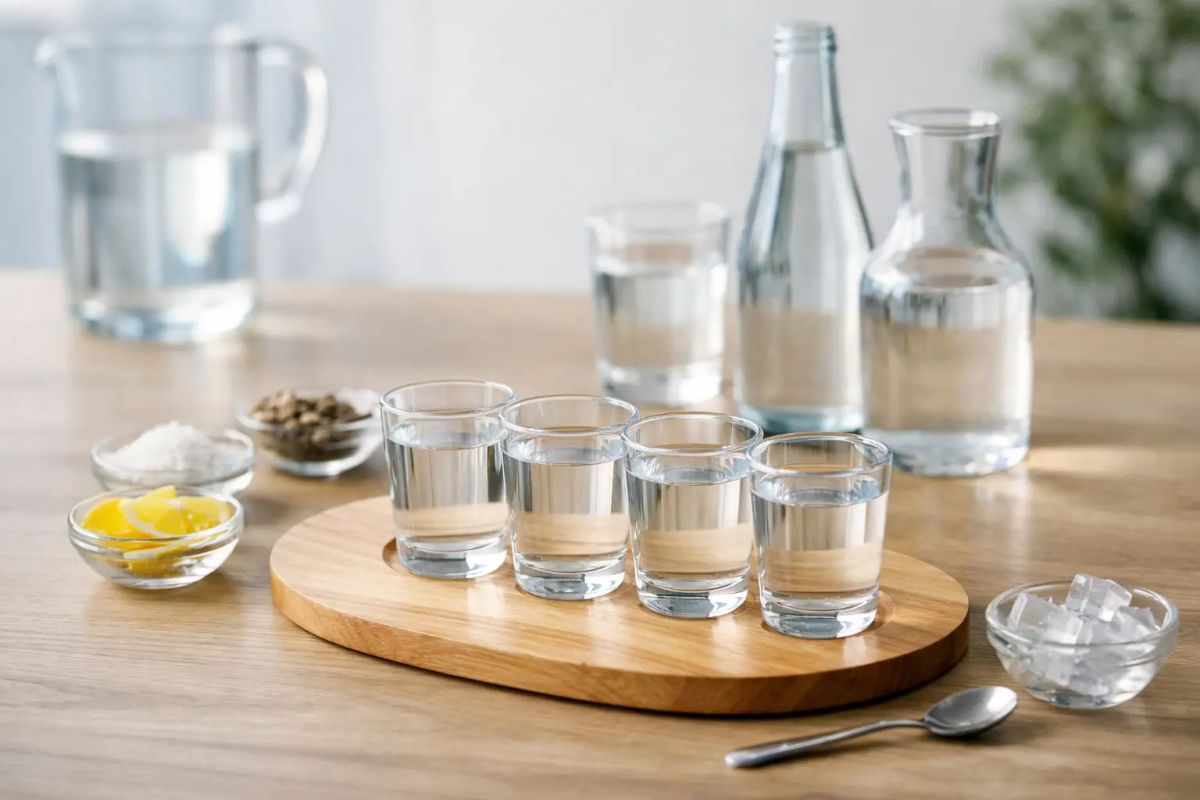
The smartest way to learn water is comparative tasting. Pour two or three different waters side by side and keep everything else constant - same glassware, same temperature, same moment. Move from the lightest profile to the most mineral-intense. Take brief notes. Use plain language. Crisp. Creamy. Saline. Quiet. Chalky. Lingering.
This is also where a tool like Water Sommelier becomes useful. Instead of guessing why one bottle feels soft and another feels stony, you can connect the sensory experience to its mineral composition, pH, source origin, and tasting profile. That turns preference into understanding.
With repetition, patterns emerge. You may learn that you love waters with a smooth sodium-bicarbonate balance, or that high-magnesium styles intrigue you in small pours but not all day. You may find that one profile flatters sushi while another shines with steak tartare. Precision makes preference more enjoyable.
Why this level of attention is worth it
Water sits at the center of daily life, but that does not mean it should be treated as generic. The same curiosity people bring to wine lists, coffee menus, and ingredient sourcing belongs here too. Taste is not only about luxury. It is about awareness.
A thoughtful water taste profile guide gives you a better vocabulary, sharper preferences, and a more rewarding way to choose what is in your glass. Once you start noticing texture, minerality, and finish, water becomes less invisible. And that small shift changes everything.
Scan any bottle. Discover its minerals, origin, and character. Get the Water Sommelier app