
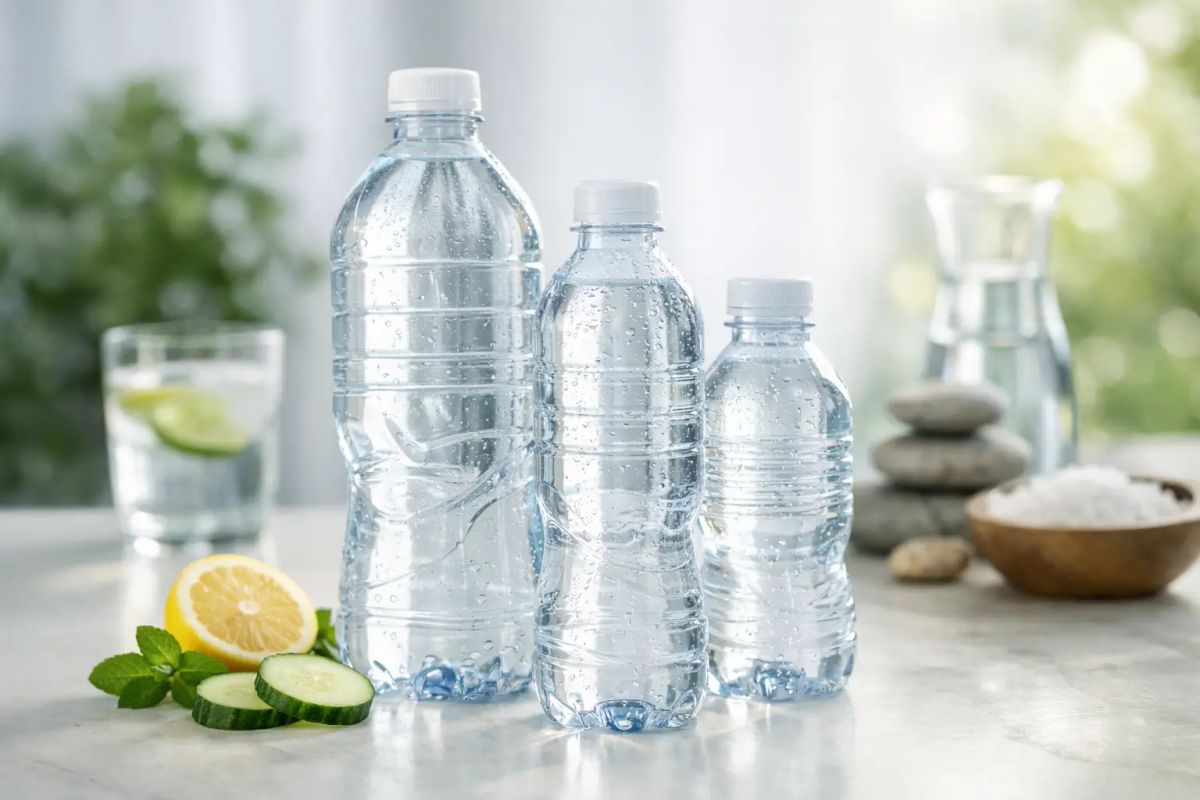
Walk down the water aisle and the labels all seem to promise the same thing - purity, freshness, wellness. Yet anyone asking about the best bottled water for health is usually asking a more precise question: what, exactly, is in the bottle, and how does that composition fit my body, my routine, and my taste? That is where the conversation gets interesting.
Water is not one uniform product. It has structure, origin, mineral content, and sensory character. One bottle may be light and soft, another saline and dense, another bright with a crisp mineral edge. If you care about what you drink, the healthiest choice is rarely the one with the loudest packaging. It is the one whose composition matches your needs and preferences.
What the best bottled water for health really means
The phrase best bottled water for health sounds simple, but it is not a one-size-fits-all ranking. A runner who wants a more mineralized water after a hard session may look for something different than an office professional who prefers a low-sodium bottle for all-day drinking. A chef pairing water with seafood will think differently than a wellness-minded shopper reading the fine print on bicarbonate and magnesium.
This is why broad claims about one "perfect" water tend to miss the point. Health-conscious selection comes down to reading the mineral profile with intention. Calcium, magnesium, sodium, bicarbonate, and total dissolved solids all shape the experience of water. They also shape whether a bottle feels balanced for your lifestyle.
A better question than "Which brand is healthiest?" is "Which composition suits me best?" That shift moves you from marketing language to measurable facts.
Start with minerals, not marketing
When people evaluate bottled water, they often focus first on pH because it is easy to spot on a label. pH matters, but it is only one part of the story. Mineral composition usually tells you much more.
Calcium and magnesium are often the most relevant place to begin. These minerals contribute to a water's structure and taste. Calcium can give water a chalky or creamy firmness. Magnesium often brings a clean, slightly bitter precision that many people associate with a more vivid, refreshing finish. For those who want bottled water to contribute meaningful mineral intake, these two numbers deserve attention.
Sodium matters too, especially if you are selective about daily intake or simply dislike a savory finish in your glass. A high-sodium water is not automatically bad. In some contexts, it may be a deliberate choice. But if your preference is clean and neutral, or if you are watching sodium more closely, lower-sodium options may make more sense.
Then there is bicarbonate. This is one of the most overlooked markers on a label, yet it often says a great deal about a water's personality. Waters with higher bicarbonate can feel rounder, softer, and more substantial on the palate. They may appeal to drinkers who enjoy a fuller mouthfeel rather than something feather-light.
Why TDS changes the experience
TDS, or total dissolved solids, is often treated like technical trivia. It is more useful than that. TDS gives you a snapshot of how mineralized a water is overall.
Low-TDS waters tend to taste delicate, light, and very easy to drink. They are often preferred by people who want subtlety and softness. High-TDS waters can taste more intense, more textured, and more memorable. They may feel almost architectural in the mouth, with a clear mineral presence that lingers.
From a health perspective, higher TDS does not automatically mean better, and lower TDS does not automatically mean cleaner. It depends on what those dissolved solids actually are and whether that profile aligns with your goals. Someone seeking a more noticeable mineral intake may prefer a moderate- to high-TDS water. Someone who wants effortless daily drinking may gravitate toward the opposite end of the spectrum.
The smart move is to stop treating bottled water as a simple yes-or-no health product. Think of it more like choosing olive oil or coffee. Origin matters. Composition matters. The right profile depends on use.
Source matters, but not in the way most labels suggest
Many consumers are drawn to words like spring, artesian, or glacier-fed because they signal natural origin. Those terms can be meaningful, but they do not tell you enough on their own. A glamorous source story is not a substitute for mineral data.
What matters more is the geological journey. Water that travels through limestone, volcanic rock, or deep protected aquifers can pick up very different mineral signatures. That is where terroir enters the conversation. There is a world inside every bottle, and much of it was written by the land itself.
For the health-minded shopper, the source is most useful when it explains the composition. If a bottle comes from a deep mineral spring, you should expect that origin to show up in the calcium, magnesium, bicarbonate, or sodium levels. If the story and the numbers do not connect, the source narrative is doing more work than the water itself.
The best bottled water for health depends on your routine
For everyday drinking, many people prefer a balanced mineral water with moderate TDS, noticeable but not aggressive calcium and magnesium, and sodium that stays relatively restrained. This kind of profile tends to feel versatile. It works at a desk, with meals, and throughout the day without becoming tiring.
For athletes and highly active drinkers, the decision may shift toward waters with a stronger mineral presence. Not because more is always better, but because some people actively want a bottle with more character and composition after exertion. Taste often becomes the guide here. If a water feels satisfying and replenishing to you, its mineral balance may be doing something your palate recognizes immediately.
For food lovers, health and pleasure are not separate categories. A highly mineral water can overwhelm a delicate dish, while a softer water may disappear beside richer flavors. If you regularly drink water with meals, choosing a bottle that complements your food can improve the entire experience. Sometimes the healthiest choice is also the one that makes you want to keep reaching for your glass.
What to watch out for on the label
The cleanest labels are often the most revealing. Look for a full mineral analysis rather than vague wellness language. You want to see actual values for calcium, magnesium, sodium, bicarbonate, pH, and TDS whenever possible.
Be cautious with bottles that lean heavily on a single metric. A prominently displayed pH level can make a water sound superior when the broader mineral picture is barely discussed. The same goes for branding built entirely around purity. Pure is not a complete description. For many discerning drinkers, a certain amount of naturally occurring mineral content is exactly what gives water both its sensory appeal and its point of difference.
This is also where a tool like Water Sommelier becomes useful. Instead of guessing from incomplete labels, you can scan a bottle and see the composition in a more readable way - mineral balance, source, pH, TDS, and even tasting character. For anyone trying to choose with more precision, that kind of visibility changes the purchase from impulse to informed selection.
A more intelligent way to choose
If you want the best bottled water for health, start by ignoring the idea that there is one universal winner. Look for transparency. Compare mineral levels. Notice how different waters actually taste and feel. A bottle that is ideal for your training routine may not be the same one you want at a white-tablecloth dinner or on a long workday.
That is not indecision. That is discernment.
The most useful framework is simple. If you want a softer, lighter water, look for lower TDS and gentler mineralization. If you want a bottle with more presence, look toward higher mineral content, especially calcium, magnesium, and bicarbonate. If sodium is a concern or a taste issue for you, check it directly rather than assuming. And if a label gives you very little real information, treat that as information too.
Water is often marketed as background. In reality, it is one of the most revealing products you consume every day. When you begin to read it properly, you realize health is only part of the story. Taste, composition, and context matter just as much. The right bottle should feel considered, not accidental.
The next time you pick one up, do not ask whether it looks healthy. Ask whether its mineral signature belongs in your life.
Scan any bottle. Discover its minerals, origin, and character. Get the Water Sommelier app