
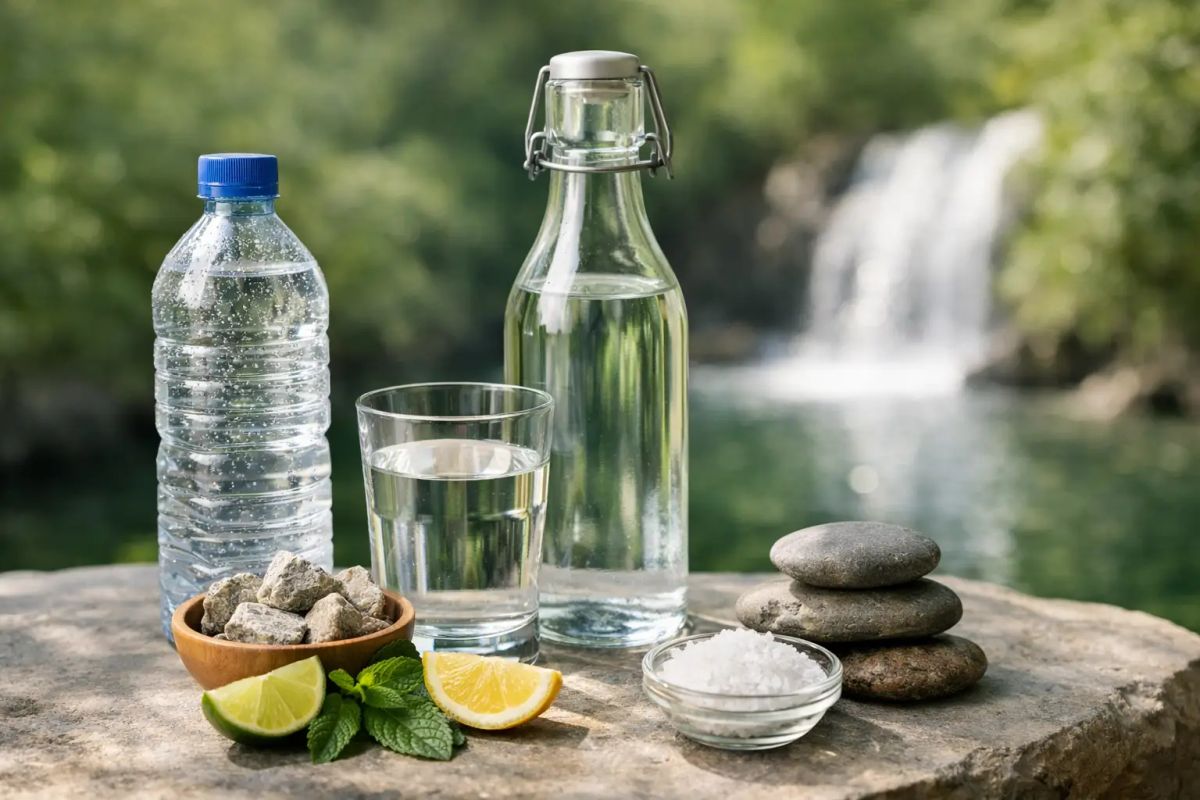
A bottle can look pristine and still tell you almost nothing. The label may say natural, pure, or premium, yet the real story - the one that matters when choosing the best mineral water for health - is written in its mineral profile.
That profile shapes far more than taste. It influences how a water feels on the palate, how it fits into your routine, and whether it aligns with what you actually want from the category. For some people, that means higher magnesium. For others, lower sodium. For many, it means learning to stop thinking about water as interchangeable and start reading it with the same attention given to olive oil, coffee, or wine.
What makes the best mineral water for health?
The short answer is balance, not hype. The best mineral water for health is not a single brand or a universal formula. It is a water with a mineral composition that fits your preferences, your diet, and your daily context.
Mineral water contains naturally occurring dissolved minerals picked up as water moves through rock formations underground. Those minerals commonly include calcium, magnesium, sodium, potassium, bicarbonate, sulfate, and silica. Each one contributes something different. Some affect mouthfeel. Some shape finish. Some matter more for people who closely track what they consume.
This is where nuance matters. A water prized by a marathon runner may not be the same one a fine dining professional prefers tableside with delicate seafood. A bottle with pronounced minerality can feel deeply satisfying to one person and overly assertive to another. Health-minded choices rarely come from a slogan. They come from composition.
Start with the minerals, not the marketing
If you want to choose well, look past front-label language and focus on the analytical panel. This is the closest thing to a fingerprint a bottled water has.
Calcium
Calcium often gives water a structured, chalky, or firm character. In practical terms, it is one of the most sought-after minerals for people who want substance in their water rather than a neutral, disappearing sip. Waters with meaningful calcium content can feel composed and gastronomic, especially alongside food.
Magnesium
Magnesium is often associated with a cleaner, slightly bitter edge and a more dynamic finish. Many wellness-focused drinkers seek it out because it is one of the key minerals they actively monitor across their diet. In water, magnesium can add both functionality and personality.
Sodium
Sodium deserves a more thoughtful reading than it usually gets. Some people prefer lower-sodium waters as part of their broader nutrition choices. Others, especially those paying close attention to performance or intense daily activity, may not view moderate sodium the same way. The point is not to avoid it automatically. The point is to know it is there and in what amount.
Bicarbonate
Bicarbonate can make a water feel smooth, rounded, and often more substantial on the palate. High-bicarbonate waters tend to have a buffering, almost velvety presence that some people love. They can feel comforting and expansive, especially with richer meals.
TDS and pH
TDS, or total dissolved solids, gives you a sense of overall mineralization. Lower-TDS waters often taste lighter and quieter. Higher-TDS waters can feel denser, more textured, and more expressive. pH also appears on many labels, but it should not be read in isolation. A water is more than a single number. pH matters, yet mineral balance tells a fuller story.
Why “healthy” depends on the person
The phrase best mineral water for health sounds simple, but it hides several different questions. Best for whom? Best for what setting? Best according to which mineral priorities?
If you are highly nutrition-aware, you may want a bottle with notable calcium and magnesium and relatively restrained sodium. If you are selecting water for a restaurant table, you may care just as much about texture, finish, and how the water interacts with food. If you are building a premium pantry at home, you might want several waters rather than one - a crisp low-mineral bottle for all-day drinking, a more structured sparkling option for meals, and a highly mineralized still water for when you want character.
That is the real shift. There is no single healthiest bottle in the abstract. There are better choices for specific people and moments.
How to read a mineral water label with confidence
Most labels give you the clues you need, though not always in the friendliest format. Look first for the source and the mineral analysis. Natural mineral water comes from a specific underground source, and that origin matters. Geology shapes composition, and composition shapes both sensory profile and nutritional relevance.
Next, compare the actual numbers. If calcium and magnesium are extremely low, the water may taste very soft and minimal. If TDS is high and bicarbonate is elevated, expect more weight and persistence. If sodium stands out, ask whether that fits your own preferences. Read the bottle as a whole rather than fixating on one “good” or “bad” ingredient.
This is also where a smarter tool can help. Water Sommelier lets you scan a bottle and see its mineral composition, pH, TDS, source origin, and tasting profile in seconds. Point. Shoot. Know. For anyone tired of squinting at tiny labels or trying to compare multiple waters at once, that kind of visibility changes the buying experience.
Taste is not separate from wellness
People often split water into two categories: health and taste. In reality, the two are closely connected. If you genuinely enjoy the profile of a water, you are more likely to choose it intentionally and understand what is in it.
A water with elegant minerality can feel composed and refreshing in a way that plain language like clean or crisp barely captures. Some waters finish with a flinty snap. Others carry a creamy, almost silky texture. Some sparkling mineral waters bring brisk salinity and lift. These are not decorative details. They are signals of composition.
For food professionals, this is already familiar territory. The right water can support a dish without flattening it. For wellness-minded consumers, the same principle applies in a different form: sensory pleasure often leads to more mindful choices.
Still or sparkling for health-conscious buyers?
Both can belong in a thoughtful routine. The better question is which profile serves the moment.
Still mineral water tends to make its texture and mineral architecture more apparent. It is often easier to evaluate for subtle differences in calcium, magnesium, and overall balance. Sparkling mineral water adds carbon dioxide, which changes the experience dramatically. It can sharpen acidity, brighten the finish, and make higher-mineral waters feel more energetic.
Neither format is automatically better from a health perspective. What matters is the underlying composition. A sparkling water with a balanced mineral profile may suit one person beautifully. A still water with lower mineral intensity may suit another. Read the numbers, then trust your palate.
Common mistakes when choosing mineral water
The first mistake is assuming expensive means better for you. Premium packaging and prestige can signal quality, but they do not replace analysis.
The second is chasing a single metric. A high pH alone does not make a water superior. Neither does a high TDS. These values only become meaningful in context.
The third is ignoring sodium because the bottle looks healthy. Visual branding can create a halo effect. The mineral panel tells the truth.
The fourth is buying the same water for every purpose. Just as you would not pair every meal with the same wine, you do not need one bottle to do everything.
A more intelligent way to choose
If you care about what you drink, the best mineral water for health is the one you can understand, compare, and select with intention. That means knowing whether you prefer a low-mineral water with delicacy, a calcium-rich water with structure, a magnesium-forward profile with edge, or a bicarbonate-rich style with breadth.
It also means allowing room for preference. Health-conscious does not have to mean joyless. A beautifully sourced water with a distinctive mineral signature can be part of a disciplined routine and a pleasure to drink.
There is a world inside every bottle. Once you start reading water this way, you stop asking which label sounds healthiest and start asking a better question: what exactly is in my glass, and is it right for me right now?
That is where better choices begin - not with noise, but with clarity.
Scan any bottle. Discover its minerals, origin, and character. Get the Water Sommelier app