
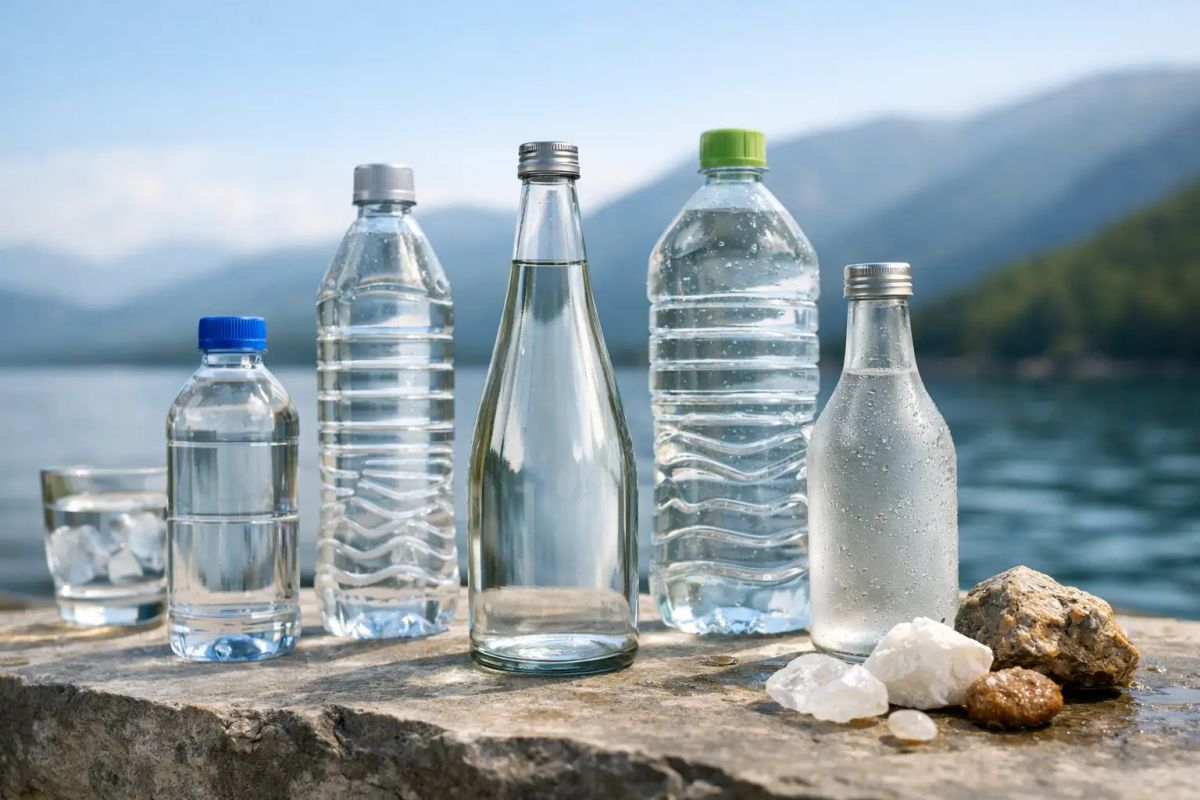
Not all bottled water tastes the same, and the reason is usually sitting in plain sight on the label. If you are searching for the best bottled water for minerals, the real question is not which bottle is universally best. It is which mineral profile best fits your palate, your routine, and the way you like water to feel on the finish.
That distinction matters. A low-mineral water can taste quiet, soft, and almost weightless. A high-mineral water can feel structured, savory, even slightly saline, with a longer aftertaste and more presence at the table. Neither is automatically superior. Minerals shape experience.
What makes the best bottled water for minerals?
When people say they want mineral-rich water, they often mean one of two things. Some want a bottle with meaningful levels of calcium and magnesium. Others want a water that tastes more complex and substantial. Those goals overlap, but they are not identical.
The best bottled water for minerals usually has a composition that is both distinctive and balanced. A water can be high in total dissolved solids and still taste harsh or muddled. Another can have moderate mineralization yet taste beautifully composed because the ratio of bicarbonate, calcium, magnesium, sodium, and sulfate is in harmony.
This is where bottled water starts to resemble wine or coffee. Source matters. Geology matters. The same way soil and altitude shape grapes, underground rock formations shape the mineral signature of a spring or artesian source. There is a world inside every bottle.
The minerals that actually change the experience
Calcium is one of the first numbers many people look for, and for good reason. In taste, calcium often brings structure and a chalky, firm impression. Waters with higher calcium can feel more architectural on the palate, especially when paired with food.
Magnesium tends to bring brightness and a slight pleasant bitterness when present at higher levels. In a well-balanced water, magnesium can make the profile feel lively rather than flat. It is often one of the minerals that gives water a more serious, gastronomic character.
Sodium gets misunderstood. Many people assume any sodium is undesirable, but in sensory terms, sodium can add roundness and softness. In some waters it creates a gentle savory note that feels elegant rather than salty. The trade-off is obvious - if you prefer a very crisp, neutral finish, high sodium may not be your style.
Bicarbonate is a quiet power player. It often contributes smoothness and can soften acidity in the overall profile. Waters high in bicarbonate can feel plush, creamy, and very composed, though sometimes less razor-sharp than low-bicarbonate styles.
Sulfate is more divisive. It can create a drier, more assertive finish and, in certain waters, a distinctly mineral edge. Some people love that tension. Others find it too stern for everyday drinking.
Then there is TDS, or total dissolved solids. TDS is useful, but it is not a quality score. Think of it as intensity, not excellence. A very low-TDS water may be ethereal and refreshing. A high-TDS water may be bold and memorable. Best depends on context.
How to read a bottle like a sommelier
A mineral label tells a story if you know what to look for. Start with the source. Spring water, artesian water, and natural mineral water each suggest different kinds of consistency and origin, though the exact language depends on the producer and market.
Next, look at the analytical panel. Focus on calcium, magnesium, sodium, bicarbonate, sulfate, pH, and TDS. You do not need to memorize ideal numbers. What matters is pattern recognition.
If calcium and magnesium are both modest and TDS is low, expect a clean, light profile. If bicarbonate is high with moderate calcium and sodium, the water may feel rounder and more substantial. If sulfate and magnesium climb together, you may get a sharper, drier, more pronounced mineral finish.
Sparkling versus still also changes perception. Carbonation lifts aroma and acidity, making minerals feel more vivid. A still version of the same water may read as silkier and calmer. Neither is more refined. They simply perform differently.
For people who want precision, this is exactly where a tool like Water Sommelier becomes useful. Point your camera at a bottle and you can see the mineral composition, pH, TDS, source details, and tasting profile in seconds. That turns a crowded shelf into something legible.
Best bottled water for minerals by drinking style
If you want an everyday bottle, the sweet spot is often moderate mineralization. Waters in this range tend to have enough calcium and magnesium to feel characterful, but not so much sodium or sulfate that the finish becomes demanding. They are versatile, easy to return to, and rarely tiring.
If you want a premium table water for food, look for more structure. Calcium, bicarbonate, and moderate magnesium can create a profile that stands up beautifully alongside a meal. Richer foods often benefit from waters with stronger mineral presence, while delicate dishes tend to pair better with softer, lower-mineral styles.
If you want a clean, minimalist taste, lower mineralization is often the better choice. This does not mean the water is inferior. It means the sensory profile is quieter - less grip, less salinity, less aftertaste. Some of the most elegant waters in the world are restrained rather than forceful.
If you want a bold mineral statement, higher-TDS waters can be deeply satisfying. These are the bottles people remember. They can feel rocky, savory, almost chewy in texture. But they are not always ideal for every moment. A water that shines with oysters or aged cheese may feel too intense first thing in the morning.
Taste matters as much as numbers
This is where many guides go wrong. They reduce bottled water to a scoreboard. More magnesium, better. Higher minerals, better. That is too simplistic.
A beautifully balanced water should feel coherent from first sip to finish. You might notice a soft entry, a mineral rise through the mid-palate, and a clean or lingering finish depending on the composition. The best bottled water for minerals is the one whose structure you actually want to drink again.
There is also a textural dimension that numbers hint at but do not fully explain. Some waters feel velvety. Some feel crystalline. Some seem to expand on the tongue, while others flash and disappear. Those distinctions are subtle, but once you notice them, you cannot really unnotice them.
Common mistakes when choosing mineral water
One mistake is assuming high pH automatically means high quality. pH affects perception, but it is only one part of the profile. A balanced water with moderate pH and elegant mineral composition can taste far more sophisticated than a bottle marketed around alkalinity alone.
Another mistake is ignoring sodium. Sodium is not just a nutrition-panel number. It changes the sensory shape of the water. For some drinkers, a touch of sodium makes a bottle feel luxurious. For others, it muddies the finish.
A third mistake is choosing by brand reputation alone. Prestige can point you toward quality, but it cannot tell you whether the water suits your palate. Two highly regarded mineral waters can be completely different in style.
And finally, people often treat all occasions the same. The bottle you want at your desk may not be the bottle you want with sushi, steak, or a tasting menu. Context changes what best means.
How to choose with more confidence
Start by deciding what you want from the bottle. More presence? More softness? A cleaner finish? Better pairing potential? Once you know that, mineral data becomes practical instead of abstract.
Then compare a few labels side by side. Notice where calcium and magnesium sit. Check sodium. Look at TDS, but do not stop there. Ask whether the water seems balanced for the experience you want.
Finally, trust your senses. Mineral composition explains a lot, but taste is still personal. One person may love a firm, bicarbonate-rich water with a savory finish. Another may prefer a low-mineral water that feels pure and understated. Both choices can be excellent.
The best bottled water for minerals is not hiding behind marketing language. It is revealed in the source, the composition, and the way the water carries itself in the glass. Once you start reading bottles with that level of attention, buying water becomes less about guessing and more about taste with intention.
Scan any bottle. Discover its minerals, origin, and character. Get the Water Sommelier app