
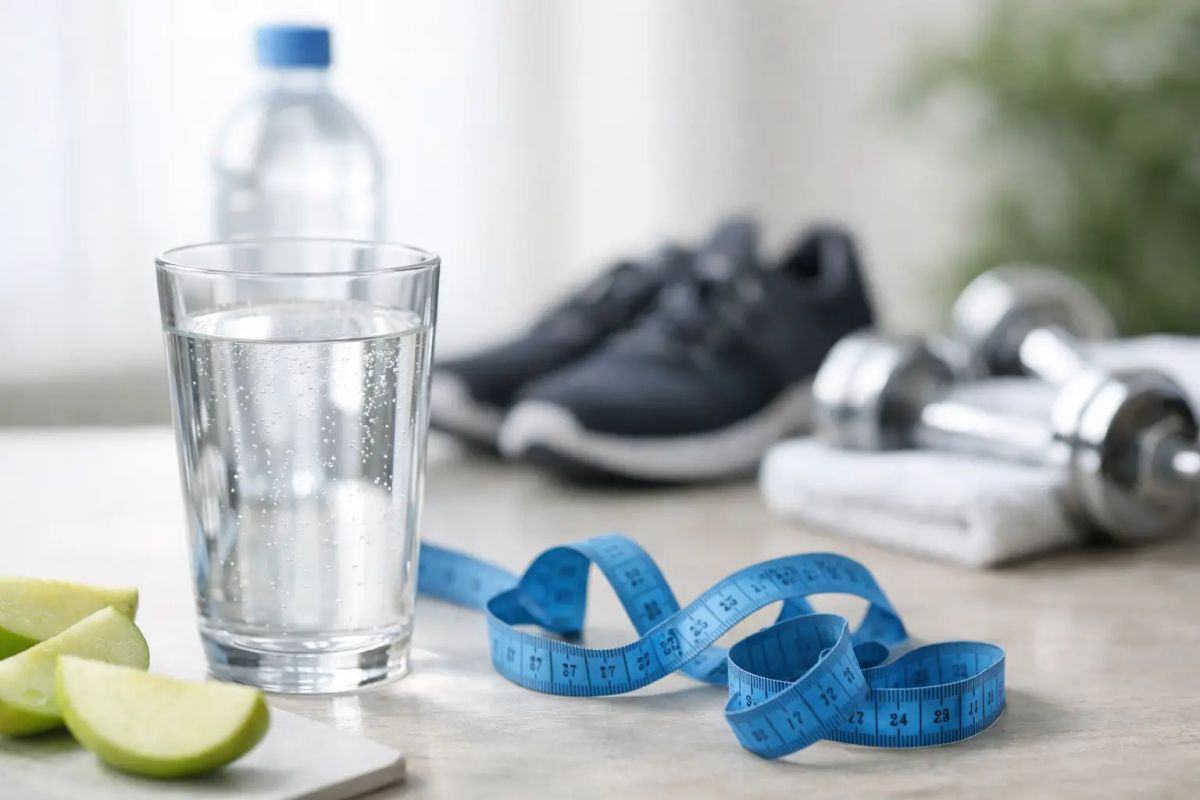
The scale can make water look deceptively simple. Drink more, weigh less - that is the promise you see everywhere. But water for weight loss is not magic, and people who care about what they drink usually sense that. The more useful question is not whether water “works.” It is how the right hydration habits can support better choices, steadier energy, and a more thoughtful relationship with appetite, meals, and movement.
For that reason, this is less about hacks and more about leverage. Water can influence the conditions around weight management, but it does not replace food quality, sleep, training, or consistency. What it can do is quietly improve the way those pieces work together.
How water for weight loss actually helps
Water’s role is often oversimplified. It does not burn fat on command. What it can do is reduce friction in the daily routine.
One of the clearest effects is appetite awareness. Thirst and hunger do not always arrive as neatly labeled signals. A long meeting, a hard workout, an afternoon coffee, or a salty lunch can leave you slightly underhydrated, and that state can feel like low energy, restlessness, or a vague desire to snack. A glass of water will not erase true hunger, but it can help separate physiological need from habit or impulse.
There is also the matter of substitution. If water replaces calorie-dense drinks that were never especially satisfying to begin with, the effect can be meaningful over time. This is not glamorous, but it is real. Many weight-loss efforts fail not because dinner is off track, but because beverages are treated as invisible extras.
Performance matters too. People who train consistently know the difference between a session that feels sharp and one that feels flat. Hydration status can affect how a workout feels, how long you sustain effort, and how well you recover afterward. When training quality improves, body-composition goals become easier to support.
The timing question
A common tactic is drinking water before meals. This can be helpful, though not for everyone and not in every setting.
For some people, having water 20 to 30 minutes before eating creates a useful pause. It slows the transition from stress or distraction into a meal, and that small moment can improve portion awareness. You arrive at the table less rushed, which often leads to eating more deliberately.
For others, especially athletes or people with very high energy needs, too much water right before eating can make a meal feel less comfortable or less appealing. If you are trying to nourish recovery after training, blunting appetite may not be the goal. This is one of those quiet trade-offs that gets lost in one-size-fits-all advice.
The better principle is simple: use water to create clarity, not discomfort. A modest glass before a meal can help. Flooding your stomach to suppress appetite is usually a poor strategy and rarely a sustainable one.
Not all water feels the same
This is where the conversation gets more interesting. People often discuss water as if every bottle delivers the same experience. It does not. Mineral composition changes taste, mouthfeel, and how satisfying a water can feel in the moment.
A very soft, low-mineral water can feel light and quick. A more mineralized water with higher calcium, magnesium, bicarbonate, or sodium can feel structured, round, even substantial on the palate. That sensory difference matters more than most people realize, because satisfaction shapes behavior.
If a water tastes flat to you, you may drink it mechanically or not enough. If it tastes vivid, crisp, and aligned with the moment - after exercise, alongside a meal, during an afternoon reset - it becomes easier to reach for. Adherence is often aesthetic before it is scientific.
This does not mean there is one best bottled water for everyone pursuing weight goals. It means preference matters, and mineral balance is part of preference. A person who loves a clean, delicate water at their desk may want a more mineral-forward bottle after training or with food. There is a world inside every bottle, and sometimes the difference between a habit that sticks and one that fades is simply choosing water you genuinely enjoy drinking.
Minerals, satiety, and routine
It is tempting to overstate the role of minerals, so it is worth being precise. Mineral water is not a shortcut to weight loss. Still, the composition of a water can shape the experience around hydration.
Sodium can influence how a water tastes and how suitable it feels after sweating. Magnesium and calcium contribute to structure and flavor. Bicarbonate can create a smoother, more buffered profile that many people find especially pleasant with meals. These details are not trivial if you are building repeatable rituals.
Why do rituals matter? Because weight management is rarely decided by one dramatic intervention. It is built through repeatable choices: what you drink when you wake up, what sits beside your lunch, what you bring to the gym, what you open at 3 p.m. instead of wandering toward a snack you did not actually plan to eat.
When people understand what is in their water, they tend to choose with more intention. That is one reason a tool like Water Sommelier resonates beyond curiosity. Knowing the mineral profile, pH, source, and sensory character of a bottle turns hydration from a vague wellness chore into something concrete, trackable, and personal.
What to avoid when using water for weight loss
The biggest mistake is treating water as a compensatory trick. If the plan is to drink excessive amounts to mute hunger while the rest of the routine remains chaotic, the strategy usually unravels. Water works best as support, not disguise.
Another mistake is ignoring context. Someone spending the day in climate-controlled offices has different needs than someone training hard in heat or traveling frequently. Someone eating high-protein meals may naturally want more fluid with food. Someone following a high-volume diet full of fruits and vegetables may experience hydration differently. Precision matters.
There is also a quality-of-experience issue. If your water habit feels punitive, it will not last. Chugging lukewarm water from obligation has very little elegance and even less staying power. Temperature, carbonation, mineral profile, and pairing all influence whether drinking water feels like deprivation or pleasure.
Water with meals, workouts, and cravings
With meals
Still water with balanced minerality often suits everyday meals because it refreshes without overwhelming flavor. If you tend to eat quickly, pouring a glass before the meal begins can create a more composed pace. That alone may help you notice fullness sooner.
Around workouts
Before training, hydration supports readiness. After training, it supports recovery and a return to baseline. If you sweat heavily, a water with a more noticeable mineral presence may simply feel more appropriate and more satisfying than an ultra-light option.
During craving windows
Late afternoon and late evening are common moments of confusion. Are you hungry, tired, bored, or just under-fueled from earlier in the day? Water is useful here not because it answers everything, but because it gives you a clean first move. Drink, wait a few minutes, and reassess. If you are still hungry, eat. Clarity is the win.
A more refined way to think about results
Short-term scale changes can be misleading because body weight naturally shifts with fluid balance, sodium intake, training stress, and glycogen status. That is why dramatic claims about water often sound more impressive than they are. You may see movement on the scale after changing hydration habits, but that does not automatically reflect fat loss.
The more meaningful lens is behavioral. Are you drinking fewer caloric beverages? Are meals more measured and less reactive? Are workouts more consistent because you feel better prepared? Are you making choices with more intention because what you drink is no longer an afterthought?
Those shifts may look subtle, yet they are exactly where water earns its place in a serious weight-management routine. Not as theater. As infrastructure.
Choosing water with intention
If your goal is body composition, choose water the way you choose coffee, produce, or wine - with attention. Notice which bottles feel crisp, grounding, or deeply refreshing. Notice what works with meals and what works after effort. Learn the mineral profile of the waters you return to.
That level of awareness may sound luxurious, but it is also practical. People sustain what they value. And when water becomes something you understand rather than merely consume, better habits stop feeling forced.
The smartest use of water for weight loss is not to expect a miracle from the bottle. It is to let the bottle support a day that is calmer, clearer, and more deliberate from the first sip onward.
Scan any bottle. Discover its minerals, origin, and character. Get the Water Sommelier app