
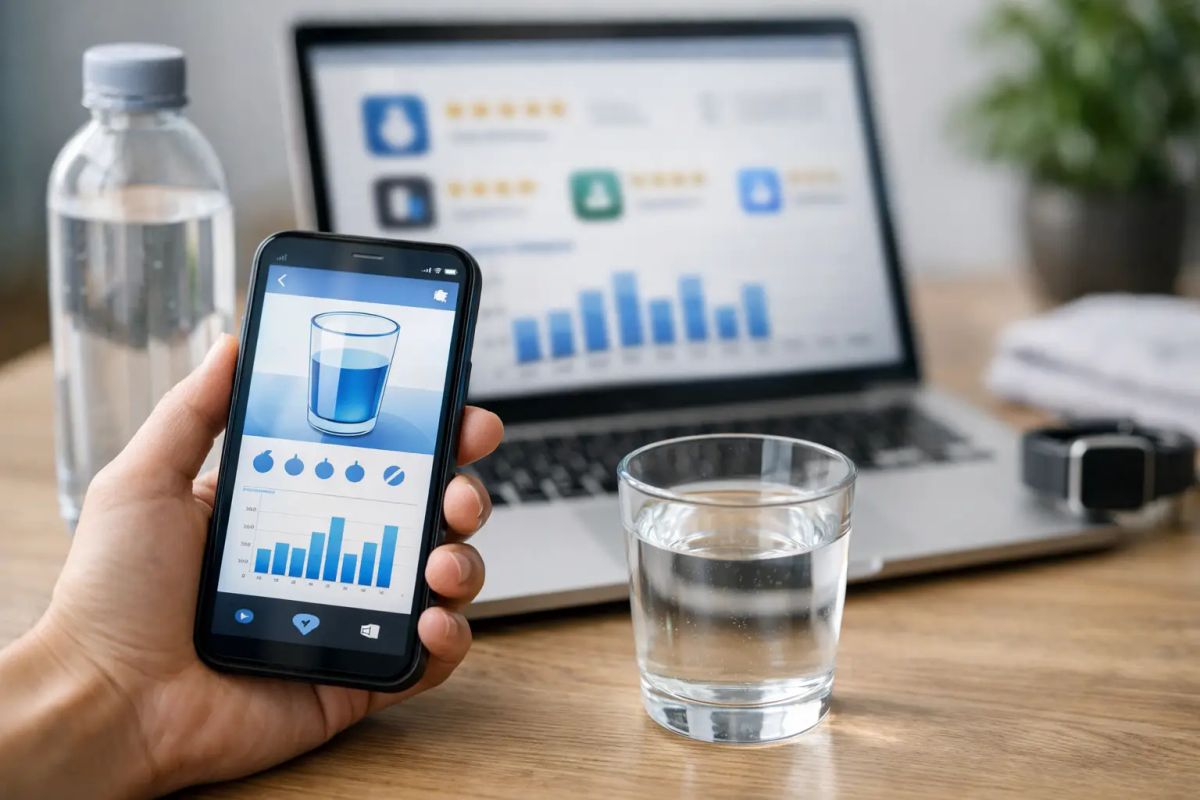
A bottle of water can look almost anonymous on a shelf: clear glass or plastic, a mountain silhouette, a number on the label, perhaps a promise of purity. Yet the details that shape its identity are often small, technical, and easy to miss. That is why water recommendation app reviews deserve more attention than a quick star rating. The best review is not really asking, “Is this app pleasant to use?” It is asking whether the app helps you see the world inside every bottle.
For curious drinkers, restaurant professionals, and anyone who chooses water with the same intention they bring to wine or coffee, a useful app should turn a label into understanding. It should make the numbers legible, the source meaningful, and the experience of comparing bottles more considered.
What Water Recommendation App Reviews Should Measure
A polished interface matters. So does a fast scan. But neither tells the whole story. Water is a category where presentation can be beautiful while the information remains thin. When reading reviews, look for evidence that an app treats water as a product with provenance, composition, and character.
The most helpful reviews describe what a person can actually learn after using the app. Can they identify a bottle with their phone camera? Can they see its listed calcium, magnesium, sodium, and bicarbonate? Does the app present pH and total dissolved solids, commonly shortened to TDS, in a way that feels intelligible rather than clinical? Can they understand where the water comes from?
Those questions matter because water data is not a single score. A high or low number is not automatically good or bad. It is a point of reference. Mineral composition, for example, can help explain why one water feels delicate and quiet while another feels more structured, chalky, saline, or lingering on the palate.
A strong review should recognize this distinction. It should praise clarity over oversimplification.
Start With the Information, Not the Stars
Five-star ratings can signal that an app is easy to navigate or visually appealing. They rarely reveal whether its information is substantial, current, or presented responsibly. Read the written reviews beneath the rating and pay attention to the language people use.
Useful feedback tends to be specific. It may mention that a scan recognized a bottle, that mineral values were easy to find, or that the app made two familiar brands feel meaningfully different. These details reveal how the product performs in the moment that matters: when you are standing in a market aisle, seated at a restaurant table, or deciding which bottle to bring to a dinner party.
Less useful feedback is vague praise such as “great app” or “love it.” That does not make it untrue. It simply does not tell you whether the app gives you the depth you came for.
It also helps to separate an app’s purpose from expectations it does not claim to meet. A bottled-water information app is for learning about packaged waters and their listed characteristics. It is not a laboratory instrument, a tap-water testing service, or a substitute for official product information. Reviews that understand the category are generally more useful than reviews that judge an app by unrelated standards.
Bottle Recognition Is the Beginning
Camera-based bottle recognition is one of the most practical features to look for. The appeal is immediate: instead of searching through menus or deciphering tiny print, you point your phone at a bottle and receive information designed to help you understand it.
But recognition should be evaluated as part of a larger experience. A fast result is valuable only if it leads somewhere worthwhile. After a bottle is identified, an app should make the product’s profile easy to explore. The source origin should be clearly stated when available. Mineral data should be organized without turning the screen into a spreadsheet. Key terms should be presented with enough context that a newcomer can begin to build fluency.
There are practical limits, and credible reviews acknowledge them. Lighting, glare, label changes, unusual packaging, or an incomplete product image can affect camera recognition. An app should feel useful when it works well, without creating the illusion that every bottle in every setting will be identified perfectly on the first attempt.
That balance is a mark of a thoughtful product review. It values convenience, but it does not confuse convenience with expertise.
Read Mineral Data as a Profile
The phrase “mineral content” can sound technical until you begin to compare bottles. Then it becomes a language for noticing differences.
Calcium and magnesium are commonly associated with a water’s mineral structure. Sodium can contribute a subtle saline impression. Bicarbonate is often part of the broader composition that gives a water its sense of balance. TDS indicates the total amount of dissolved material, offering a broad measure of concentration rather than a complete tasting note. pH describes acidity or alkalinity on its own scale, but it is not a verdict on quality or taste.
A recommendation app earns its place when it helps users hold these pieces together. It should not suggest that one number settles the question. A very low-TDS water may appeal to someone seeking a light, unobtrusive companion for a refined meal. A more mineral-present water may feel more expressive on its own. Preference, occasion, and food all shape the decision.
When app reviews mention that data feels educational rather than overwhelming, take notice. That is often the difference between an app you open once and one that becomes part of how you shop, taste, and talk about water.
Source Origin Gives a Bottle Its Context
Water’s source is not merely a marketing detail. It is part of its story.
A spring, an aquifer, a mountain source, or a protected local origin can give a bottle a sense of place. The source does not tell you everything about flavor or composition, but it offers context for the water’s journey before it reaches the table. For people who appreciate regional food, coffee origins, or wine appellations, this is a familiar pleasure: a product becomes more interesting when its provenance is visible.
Reviews should reflect whether an app brings that context forward. Does it present origin as an afterthought, or as part of a coherent profile alongside mineral information? The latter makes a water app more than a lookup tool. It makes it a guide to a category with culture, geography, and sensory nuance.
Clarity Is a Premium Feature
The finest hospitality makes expertise feel welcoming. A water app should do the same.
Avoid products that bury the useful details behind jargon, oversized claims, or a confusing chain of screens. The ideal experience is direct: identify the bottle, see the profile, understand the terms, and decide what you want to explore next. A newcomer should feel invited in. A beverage professional should not feel talked down to.
This is where design and editorial judgment meet. Good typography, logical labels, and concise explanations are not decorative touches. They determine whether mineral science becomes practical knowledge. A well-designed profile allows you to compare a crisp, low-mineral water with a more characterful alternative without requiring a chemistry lesson first.
Water Sommelier approaches this idea with a simple premise: Point. Shoot. Know. The free app for iOS and Android uses a phone camera to help identify bottled water and surface educational details including mineral composition, pH, TDS, and source origin. Its value lies in making those details easier to encounter at the exact moment a bottle is in front of you.
Choose Reviews That Match Your Occasion
There is no universal “best” water app because there is no single reason people explore water. A food writer may care most about origin and mineral context. A dining professional may want a quick way to discuss a bottle tableside. A curious shopper may simply want to know what the label’s numbers mean before choosing between two bottles.
Read reviews written from a perspective close to your own. If you care about tasting and pairing, favor feedback that discusses character, composition, and comparison. If speed is your priority, look for comments about the recognition flow and how quickly information appears. If you are new to the category, seek reviewers who explain whether the app feels approachable without being shallow.
The right app should not tell you what to prefer. It should give you a clearer way to notice your own preferences. After a few bottles, you may find that you recognize the profiles you return to, the styles that suit certain meals, and the stories that make a familiar purchase feel less ordinary. That is a worthwhile reason to read beyond the stars.
Scan any bottle. Discover its minerals, origin, and character. Get the Water Sommelier app