
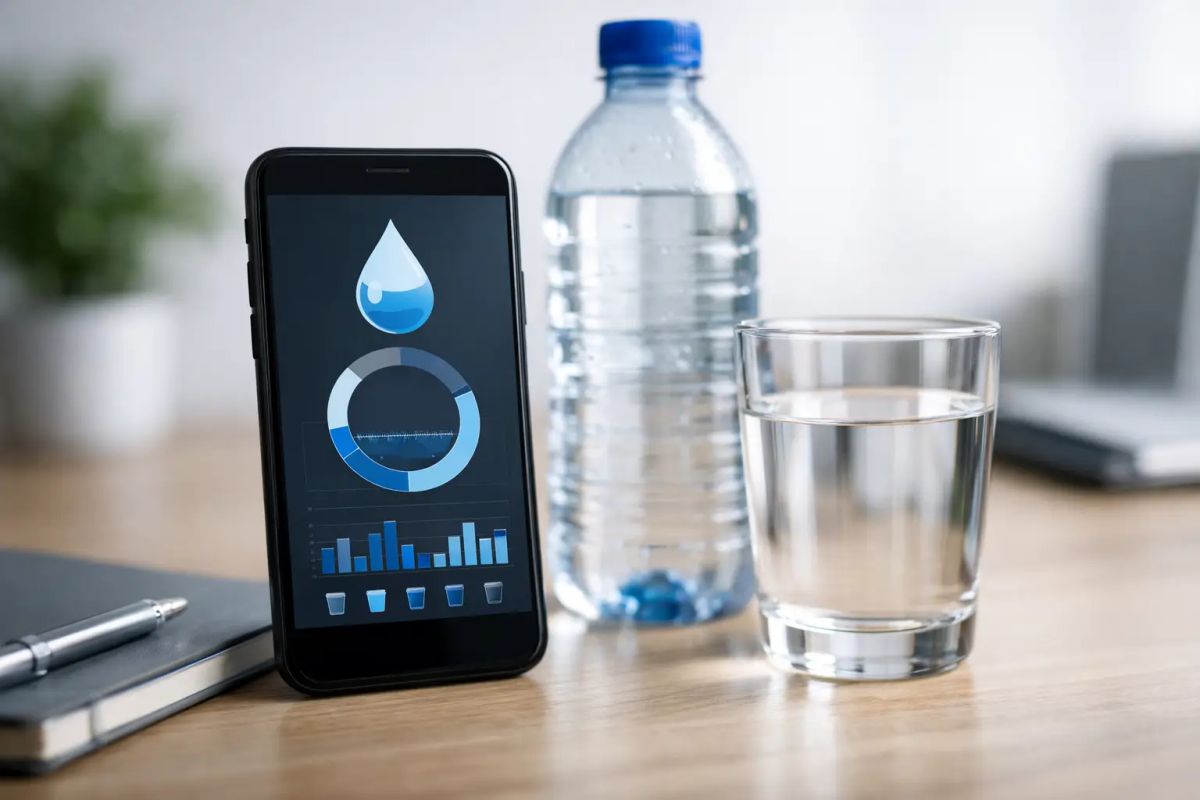
A bottle of water can look almost anonymous on a shelf: clear glass or plastic, a familiar name, a promise of refreshment. Yet there is a world inside every bottle. This mineral water app review considers what makes a water app genuinely useful for people who want to move beyond packaging and understand the source, mineral profile, and character in their glass.
The strongest apps do not turn water into a trend or reduce it to a single score. They make the label legible. They offer context without asking the user to become a chemist. And they recognize that choosing water can be as considered as selecting wine, coffee, or olive oil.
What a mineral water app review should examine
A meaningful review begins with a practical question: how quickly can the app turn curiosity into useful information? Standing in a hotel lobby, a restaurant, or the bottled-water aisle, no one wants to search through dense technical documents. The best experience starts with the bottle itself.
Water Sommelier is built around that moment. Point your phone camera at a bottle, and the app helps identify the product and present key details about its mineral composition, pH, total dissolved solids, and source origin. It is free to download on iOS and Android.
That simple interaction matters. A label may list a few mineral figures in tiny type, abbreviate the source, or offer no easy way to compare one bottle with another. A camera-led experience brings the information forward, allowing the bottle to remain the focus while the data supplies the story behind it.
A good review should also ask whether the information is presented with restraint. Water is not made more interesting by overstatement. Mineral data is educational context, not a medical diagnosis or a promise about what a bottle will do for someone. The value lies in seeing what is there and learning how to read it.
From bottle scan to mineral profile
The most useful water information is specific. Rather than treating every mineral as a technical footnote, an app should help users recognize the distinct role each measurement plays in a water's overall identity.
Calcium and magnesium
Calcium and magnesium are two of the most recognized minerals on a water analysis. In the context of tasting, their levels contribute to a water's mineral balance and can influence its perceived structure. A water with a more pronounced mineral profile may feel different on the palate from one with a lighter composition, even before a user has learned the terminology behind the label.
The point is not to declare one profile superior. A delicate still water can be right for a crisp seafood course; a more mineral-forward sparkling water can bring a different presence to the table. Context is part of taste.
Sodium and bicarbonate
Sodium and bicarbonate are equally revealing when viewed as part of the complete composition. They help describe the character of a source and give a more complete picture than a front-label phrase ever could. Seeing them alongside calcium and magnesium encourages a better habit: evaluate the balance, not one isolated number.
This is where an app has an advantage over a quick web search. The information can remain connected to the exact product in hand, rather than becoming a generic explanation disconnected from a particular bottle.
pH and TDS
pH and TDS are often mentioned on premium water labels, but they are easy to misunderstand. pH describes acidity or alkalinity on a scale, while TDS, or total dissolved solids, indicates the combined amount of dissolved minerals and other solids measured in the water.
Neither figure is a shortcut to quality on its own. A higher TDS reading does not automatically make a water more refined, just as a lower number does not make it less worthy of attention. These measurements are most useful when read together with the mineral composition and source. They provide another lens through which to understand why two clear, still waters may feel strikingly different.
Why source origin changes the conversation
Origin gives water its sense of place. A spring, aquifer, mountain catchment, or other source is not merely a marketing detail. It helps frame the journey of the water and the geology that may shape its mineral profile.
For a guest reviewing a restaurant list, a buyer building a hospitality program, or a curious shopper choosing a bottle for dinner, source origin can make selection more intentional. It invites the same questions people already ask of coffee and wine: Where is this from? What defines it? What kind of experience might it offer?
A thoughtful app does not need to romanticize every source to make that information valuable. Clarity is more compelling. When origin, mineral composition, pH, and TDS appear together, a bottle becomes easier to understand on its own terms.
The experience matters as much as the data
Technical information only becomes useful when it is easy to absorb. A mineral water app should feel calm, direct, and visually considered. The user should not need to hunt for the point of the screen or translate a wall of laboratory-style figures.
The best approach is progressive discovery. First, identify the bottle. Then, surface the essentials: its origin, its mineral composition, pH, and TDS. From there, the user can spend more time with a detail that catches their interest. This structure respects both kinds of users: the person making a quick choice and the person who wants to linger over the composition.
Language is part of the experience, too. Terms such as bicarbonate and total dissolved solids should be presented accurately, but not treated as a test. Water appreciation should feel welcoming. The goal is confidence at the shelf and curiosity at the table.
What a scanner can and cannot tell you
A camera-based water app is an elegant tool, but it has natural limits. It helps interpret known product information; it does not perform a laboratory analysis of the liquid in the bottle. Packaging can change, availability can vary by market, and the success of identification may depend on image quality, lighting, and the particular bottle being scanned.
That distinction is useful rather than disappointing. The app is a guide to a product's documented profile and origin, not a substitute for analytical testing. It creates a more informed conversation with the bottle in front of you.
Users should also resist the urge to turn water selection into a leaderboard. A mineral profile is a signature, not a universal ranking. The right choice depends on preference, occasion, cuisine, carbonation, and the kind of tasting experience someone wants. A softly mineralized still water and a vivid sparkling water can both be excellent while offering entirely different expressions.
Who will get the most from a mineral water app?
This category is especially compelling for people who already notice details in what they drink. Food writers can use mineral information and origin as a starting point for sharper descriptions. Restaurant professionals can bring greater confidence to conversations about bottled-water selections. Hosts can add a small but memorable layer of intention to a dinner table.
It also serves the everyday curious consumer. If you have ever paused in front of a shelf and wondered what separates one bottle from another beyond the label design, a scanner and clear mineral data provide an immediate answer. Point. Shoot. Know.
The most satisfying use is not necessarily a grand tasting ritual. It may be the quiet satisfaction of recognizing a source, noticing a mineral balance you enjoy, or understanding why a particular bottle feels at home beside a meal.
Water deserves the same attention we give other products of origin. The next time a bottle catches your eye, let curiosity lead: look past the label, read the composition, and give the water in your glass a chance to introduce itself.
Scan any bottle. Discover its minerals, origin, and character. Get the Water Sommelier app